We are hiring! Job openings are on our Careers page.

Hydrangea macrophylla 'Nightingale'

Big Leaf Hydrangea

Height
1m
Width
1m
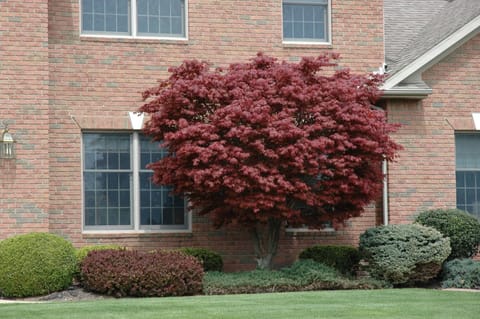
Tree shape

Estimated size at 10 years

Email me when it's back

Hydrangea macrophylla 'Nightingale' can't be ordered right now. Leave your email and we'll send a message when Hydrangea macrophylla 'Nightingale' is available again.

Notify me

Stock Info

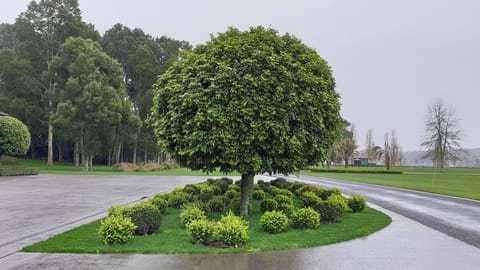
Standard height
The height of the clear trunk before the graft and branching begins.
Low worked (LW)
Grafted, or allowed to branch, much lower on the trunk.
Clear trunk (CT) vs Bushy
Clear trunk has its branches trimmed up. Bushy is allowed to grow out from lower down.
Cloud pruned
Foliage shaped into distinct, rounded “clouds” on carefully spaced branches.

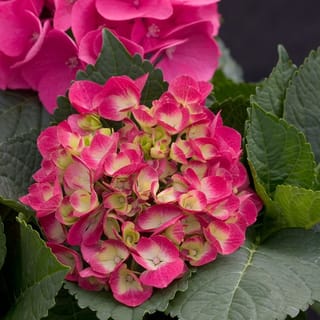
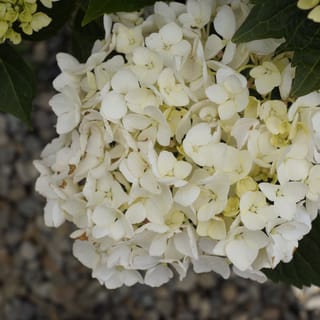
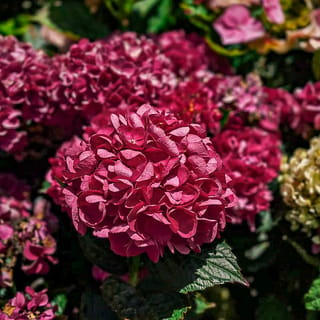
Hydrangea macrophylla 'Nightingale' is a multi-stemmed, vigorous shrub from the Lacecap group boasting lush, light-green, saucer-shaped leaves. In summer, it produces large, flattened flower heads with dark blue flowers arranged in a ring, which can shift from blue to pink depending on the soil's acidity. The flowers appear on two-year-old wood. To maintain a tidy shape, thin out crowded stems and shorten where necessary in late winter. Hardy in cold sites, it thrives best in semi-shade with well-moisturized soil. Deciduous, Hydrangea macrophylla is native to East Asia.

Also known as

Mop-head Hydrangea

Uses

  • Attracts Bees
  • Small Garden

Origin

  • Exotic

More about Hydrangea macrophylla 'Nightingale'

Plant Details

Foliage Type
  • Deciduous
Position
  • Partial shade

Seasonal Colour

FlowerDec–Feb

Foliage

This is a general guide. When a plant flowers, fruits and colours up depends on the climate where you live and on the season. If timing matters, please reach out to our team.
Foliage Type

Evergreen plants retain foliage year-round but still shed and replace some leaves gradually as part of their normal growth cycle, rather than losing them all at once.

Deciduous plants shed all their leaves for part of the year (usually in autumn and winter), usually in response to colder temperatures or dry seasons, often producing seasonal colour before leaf drop.

Semi-evergreen plants sit between the two, keeping most of their foliage but losing some or all leaves briefly under cooler or drier conditions before quickly regrowing them.