We are hiring! Job openings are on our Careers page.

Viburnum davidii

David's Viburnum

Height
1m
Width
2m
Tree shape

Estimated size at 10 years

Choose a grade

Stock Info

All prices exclude GST. No payment is taken now.

P280.3-0.4m$72.00Low stock

Selected option

P28

Height: 0.3-0.4m

2 available

$72.00excl. GST

Trade and landscape pricing

Signed-in trade accounts see their own rates on every grade. Sign in or apply for an account.

Stock Info

Standard height
The height of the clear trunk before the graft and branching begins.
Low worked (LW)
Grafted, or allowed to branch, much lower on the trunk.
Clear trunk (CT) vs Bushy
Clear trunk has its branches trimmed up. Bushy is allowed to grow out from lower down.
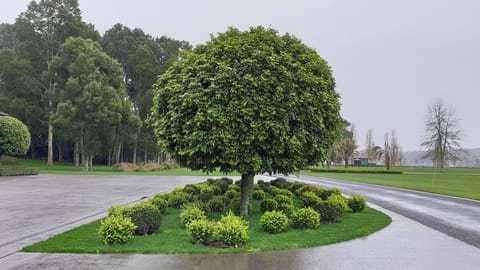
Cloud pruned
Foliage shaped into distinct, rounded “clouds” on carefully spaced branches.

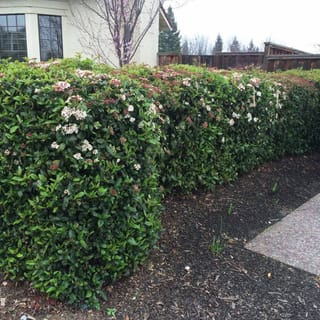
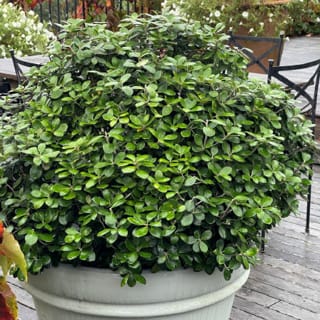
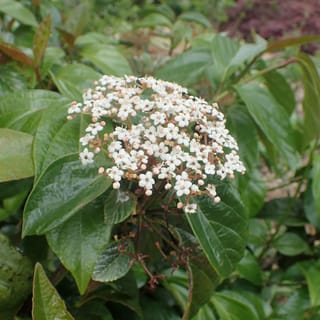
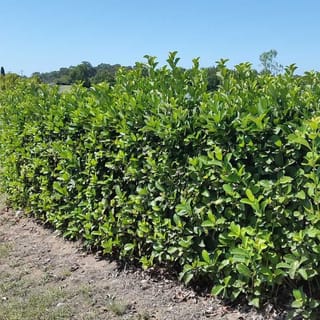
Viburnum davidii is a compact, evergreen shrub prized for its dense, spreading habit and striking foliage. This low-growing plant features deep green, leathery leaves with prominent veining, providing year-round interest. In late spring to early summer, clusters of small white flowers appear, attracting pollinators. These are followed by metallic blue berries in autumn when both male and female plants are present. It thrives in full sun to partial shade and prefers well-drained soil and is an excellent choice for low hedges, borders, or as ground cover in woodland and shaded gardens. Viburnum davidii is native to western China.

Uses

  • Attracts Bees
  • Attracts Birds
  • Hedging and Screening
  • Small Garden

Origin

  • Exotic

More about Viburnum davidii

Plant Details

Foliage Type
  • Evergreen
Position
  • Full sun
  • Partial shade

Seasonal Colour

FlowerSep–Feb

Foliage

FruitMar–May

This is a general guide. When a plant flowers, fruits and colours up depends on the climate where you live and on the season. If timing matters, please reach out to our team.
Foliage Type

Evergreen plants retain foliage year-round but still shed and replace some leaves gradually as part of their normal growth cycle, rather than losing them all at once.

Deciduous plants shed all their leaves for part of the year (usually in autumn and winter), usually in response to colder temperatures or dry seasons, often producing seasonal colour before leaf drop.

Semi-evergreen plants sit between the two, keeping most of their foliage but losing some or all leaves briefly under cooler or drier conditions before quickly regrowing them.