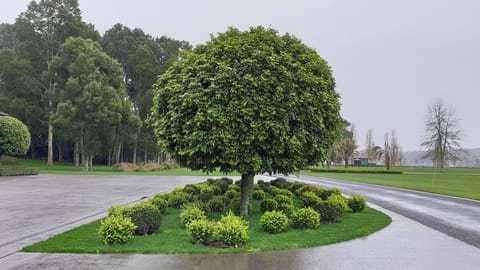
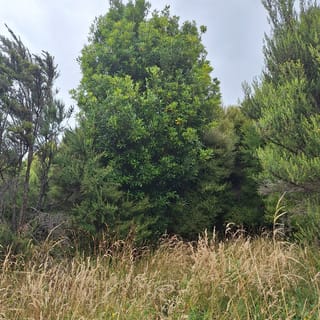
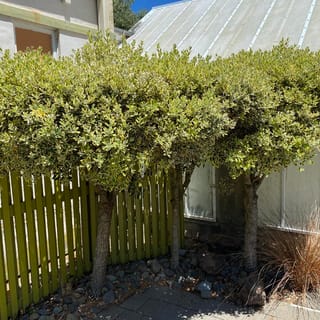
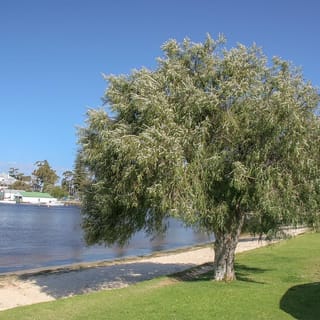
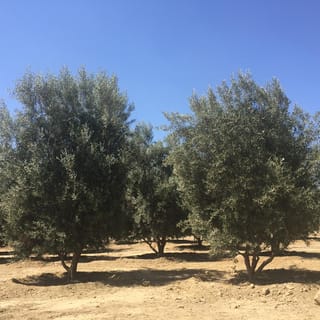
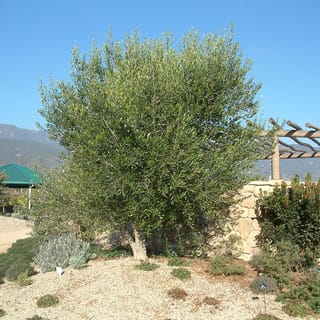
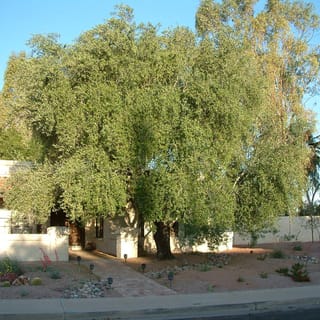
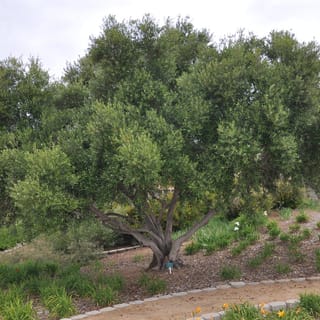
Nestegis apetala, also known as coastal maire or ironwood, is an attractive small evergreen tree native to the northern coastal regions of New Zealand and Norfolk Island. It is valued for its distinctive growth habit, glossy foliage, and exceptional tolerance of coastal conditions, making it a strong candidate for wider use in New Zealand landscapes.
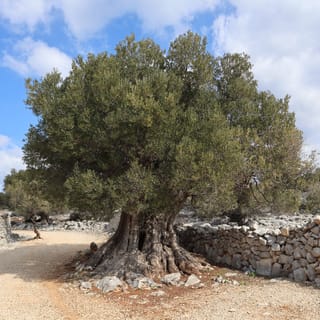
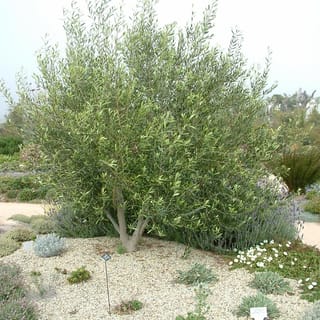
One of the most notable features of Nestegis apetala is its naturally sculptural form. The branches often develop in a winding, irregular manner, creating an expressive, characterful silhouette reminiscent of pōhutukawa, but on a much smaller and more garden-suitable scale. This gives Nestegis apetala strong architectural appeal, particularly as a specimen tree in urban gardens where space is more limited.
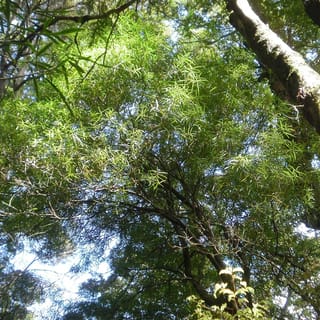
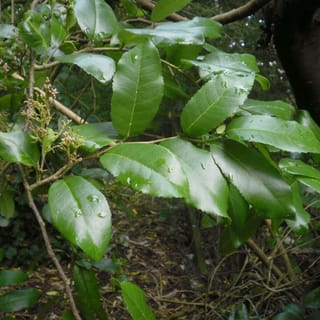
The foliage is another key attribute, with smooth, glossy leaves that have a rich, vibrant green tone. This provides year-round visual interest and a sense of depth within planting schemes, contrasting well with both lighter and darker companion plants.
Adapted to rocky coastal habitats, Nestegis apetala is highly resilient once established, tolerating drought, wind, and salt-laden air. It performs best in well-drained soils and grows well in full sun or partial shade, though it benefits from some shelter when young and is sensitive to heavy frost. Its toughness makes it well suited to coastal gardens, exposed sites, raised beds, and even large containers.
Historically, the timber of Nestegis apetala has been valued for its strength and durability, reflected in its association with the name “ironwood.” Today, however, it is increasingly appreciated as an ornamental tree with both practical resilience and strong visual character.
With its sculptural branching, glossy foliage, and adaptability to challenging conditions, Nestegis apetala is an excellent choice for specimen planting, coastal landscapes, and gardens seeking a distinctive New Zealand native with year-round presence.