We are hiring! Job openings are on our Careers page.

Styphnolobium japonicum 'Pendula'

Japanese Pagoda Tree

Height
4m
Width
3m
Tree shape

Estimated size at 10 years

Choose a grade

Stock Info

All prices exclude GST. No payment is taken now.

2 grades — open to choose

35L1.6m$176.00Low stock45L1.7m$228.00Low stock

Selected option

35L

Height: 1.6m

4 available

$176.00excl. GST

Selected option

45L

Height: 1.7m

2 available

$228.00excl. GST

Trade and landscape pricing

Signed-in trade accounts see their own rates on every grade. Sign in or apply for an account.

Stock Info

Standard height
The height of the clear trunk before the graft and branching begins.
Low worked (LW)
Grafted, or allowed to branch, much lower on the trunk.
Clear trunk (CT) vs Bushy
Clear trunk has its branches trimmed up. Bushy is allowed to grow out from lower down.
Cloud pruned
Foliage shaped into distinct, rounded “clouds” on carefully spaced branches.

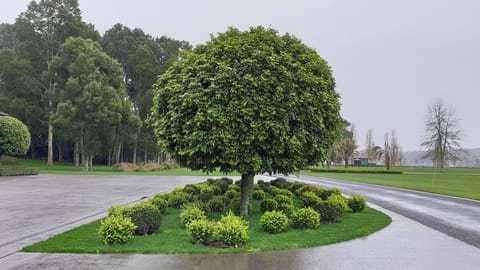
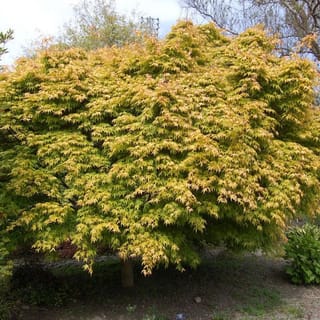
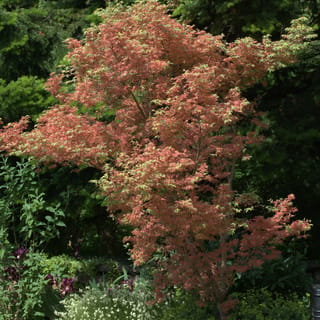
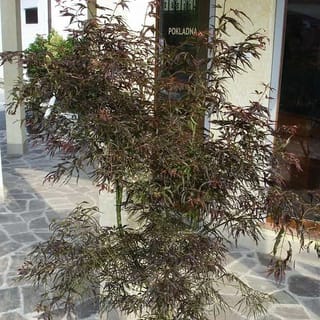
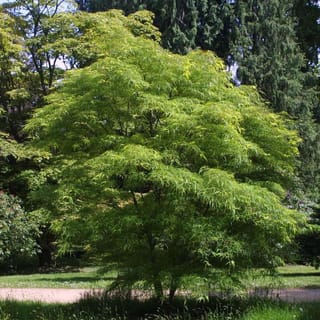
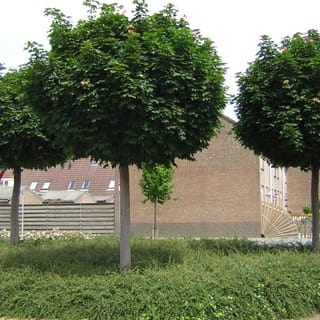
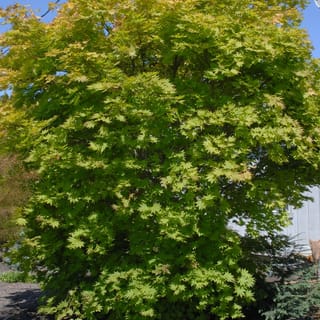
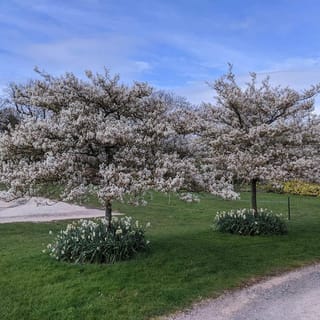
Styphnolobium japonicum 'Pendula' is known for its beautiful, weeping canopy formed by its drooping branches. The foliage of Styphnolobium japonicum 'Pendula' is deep-green, and oval-shaped, giving it a feathery appearance. In some cases, the foliage will turn yellow in the autumn before falling. Styphnolobium japonicum 'Pendula' produces stunning white flowers in late summer, which may continue into the autumn season. Styphnolobium japonicum is deciduous and native to China. Styphnolobium japonicum 'Pendula' was introduced into commerce in the United Kingdom by the Loddiges family in the early 19th century.

Also known as

Chinese Scholar Tree·Chinese Pagoda Tree·Sophora japonica 'Pendula'

Origin

  • Exotic

More about Styphnolobium japonicum 'Pendula'

Plant Details

Foliage Type
  • Deciduous
Climate Change Resilience
  • Limited resilience
Position
  • Full sun
Soil Type
  • Loamy
  • Sandy

Seasonal Colour

FlowerDec–May

Foliage

This is a general guide. When a plant flowers, fruits and colours up depends on the climate where you live and on the season. If timing matters, please reach out to our team.

Climate Change Resilience

This scale provides information on the resilience of species to the projected future climate in New Zealand – using the Auckland Botanic Gardens as the central location for projected future temperatures. This projection is based upon the ‘Business as Usual’ climate change scenario that uses the SSP3 or RCP7.0 emission scenario as laid out by the IPCC. It is a ‘worst case scenario’ and predicts the climate of 2090 — 70 years into the future — assuming that no steps have been taken to curb global emissions. The analysis of climate suitability of species is based on Mean Annual Temperature (MAT). The MAT for the Auckland Botanic Gardens under the ‘Business as Usual’ climate change scenario is projected to be 18.8 °C.

Highly resilient indicates that the species is mostly found growing within this MAT, meaning that at this MAT the species is expected to be within its preferred temperature range. Bear in mind that the MAT does not necessarily account for extreme weather events, such as heatwaves or frosts/freezes, and droughts. A species’ precipitation needs should be considered as well.

Resilient indicates that the species does occur at this temperature. It may not be the species’ most preferred climate, but it is anticipated to be well suited to this MAT.

Limited resilience indicates that there are known occurrences of the species growing at this MAT, but this MAT is near the limit of known occurrences. The species may be able to be grown at this temperature, but care regarding its microclimate, context and vulnerability to other factors such as pests and diseases may be required.

Not currently recorded indicates that there are no current records of the species growing at this MAT. If there are very few records for a specific species, this may simply be an indication of a lack of recorded observations, and not plant performance.

It is important to note that there are, generally speaking, more records occurring in the Northern Hemisphere and in cooler climates than there are for the Southern Hemisphere and the southern predominance of warmer climates. This can lead to a potential skewing in the data and results may be biased toward colder climates, indicating less heat tolerance than is true of the species.

This information gleaned from the Climate Assessment Tool aims to provide guidance and support for decisions; it is not an absolute answer, and while the predictions are based on rigorous scientific data, they are just that — predictions. The information will give you an idea of what is more likely to suit New Zealand’s future climate, but trialling of plants in the landscape is still a necessity.

Information sourced from the Climate Assessment Tool provided by the Botanic Gardens Conservation International organisation and can be accessed here: https://cat.bgci.org

Foliage Type

Evergreen plants retain foliage year-round but still shed and replace some leaves gradually as part of their normal growth cycle, rather than losing them all at once.

Deciduous plants shed all their leaves for part of the year (usually in autumn and winter), usually in response to colder temperatures or dry seasons, often producing seasonal colour before leaf drop.

Semi-evergreen plants sit between the two, keeping most of their foliage but losing some or all leaves briefly under cooler or drier conditions before quickly regrowing them.

Soil Type

Chalky soil is alkaline and often contains visible pieces of chalk or limestone. It drains very quickly and can be low in nutrients, making it difficult for many plants to grow unless organic matter is added. Some plants, however, thrive in its free-draining, lime-rich conditions.

Rocky soil contains a high proportion of stones and gravel. It usually drains well but holds very little water or nutrients. Plant roots may struggle to establish, though hardy, drought-tolerant plants can adapt to it.

Sandy soil has large particles that feel gritty to the touch. It drains quickly and warms up fast in spring, but it does not retain moisture or nutrients well. Regular watering and the addition of compost can improve its fertility.

Loamy soil is a balanced mix of sand, silt, and clay. It holds moisture and nutrients well while still allowing excess water to drain, making it ideal for most plants. Loam is generally considered the best all-round soil for gardening and agriculture.

Clay soil is made up of very fine particles and feels smooth or sticky when wet. It retains water and nutrients well but drains poorly and can become compacted. With proper management, such as adding organic matter, clay soil can be very fertile.