We are hiring! Job openings are on our Careers page.

Pseudopanax laetus

Five Finger

Height
4m
Width
3m
Tree shape

Estimated size at 10 years

Email me when it's back

Pseudopanax laetus can't be ordered right now. Leave your email and we'll send a message when Pseudopanax laetus is available again.

Notify me

Stock Info

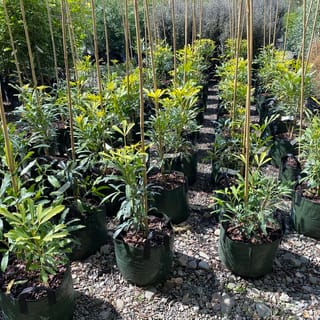
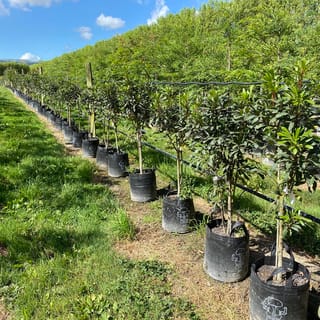
Standard height
The height of the clear trunk before the graft and branching begins.
Low worked (LW)
Grafted, or allowed to branch, much lower on the trunk.
Clear trunk (CT) vs Bushy
Clear trunk has its branches trimmed up. Bushy is allowed to grow out from lower down.
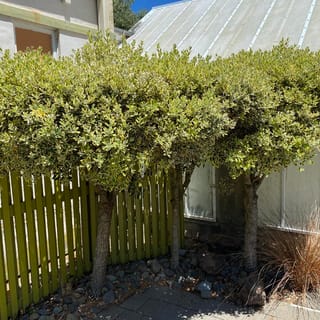
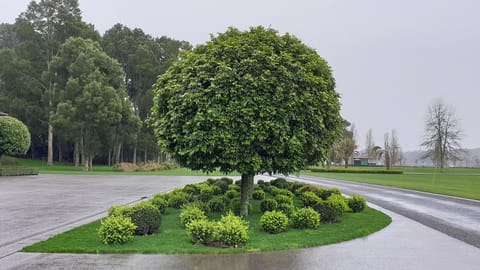
Cloud pruned
Foliage shaped into distinct, rounded “clouds” on carefully spaced branches.

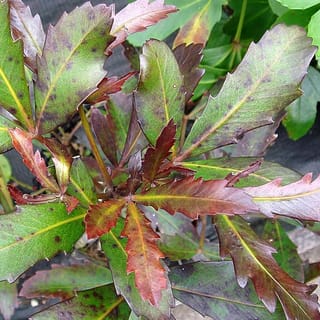
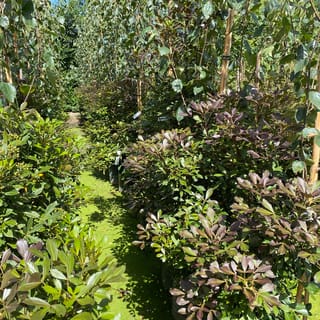
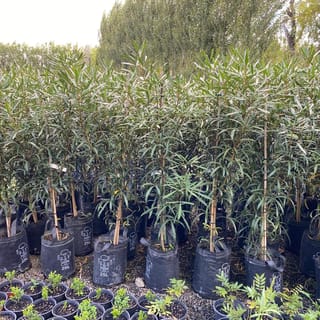
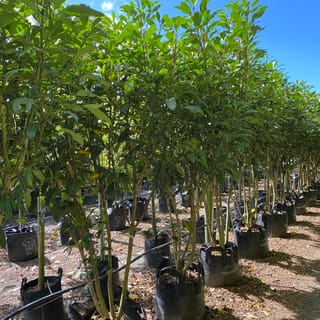
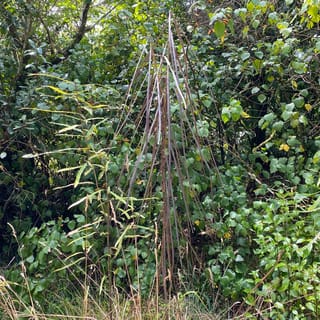
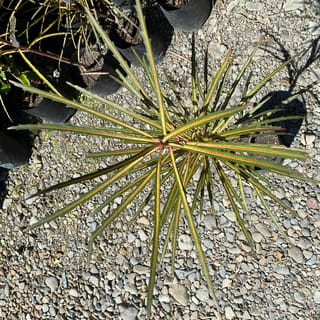
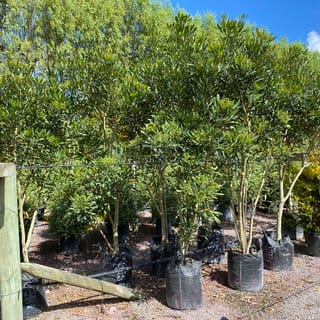
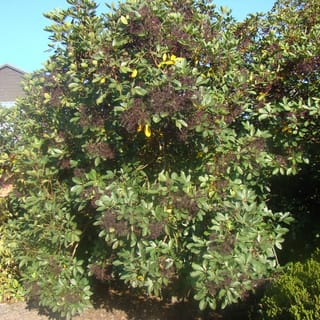
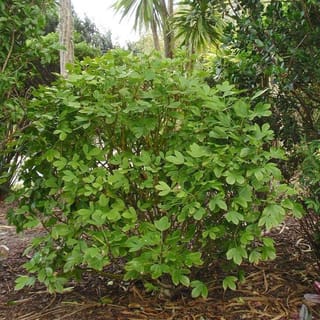
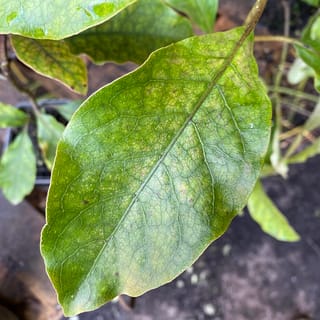
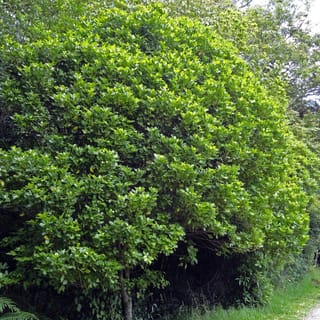
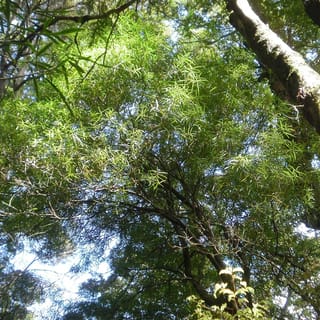
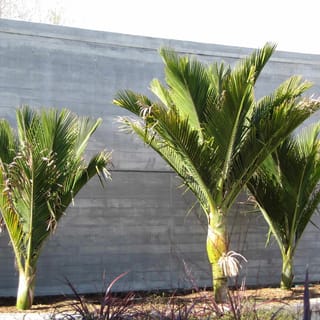
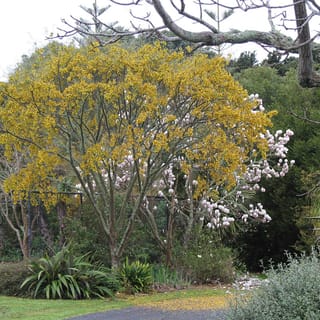
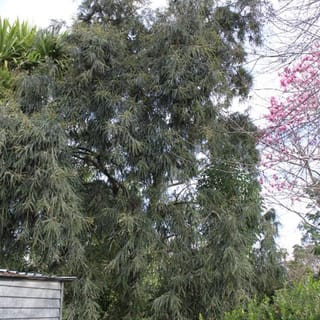
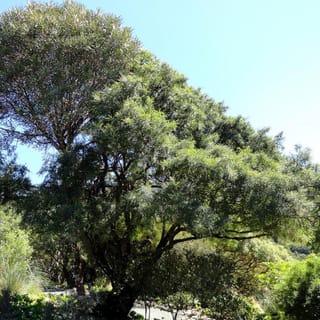
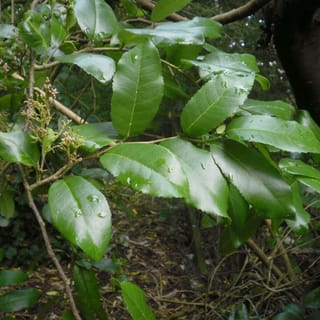
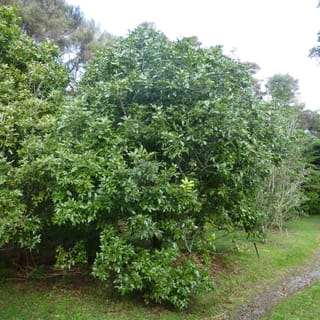
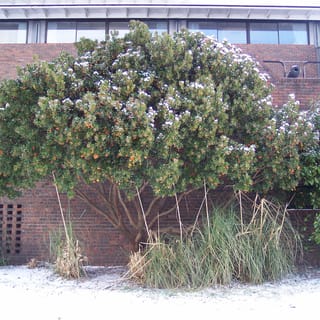
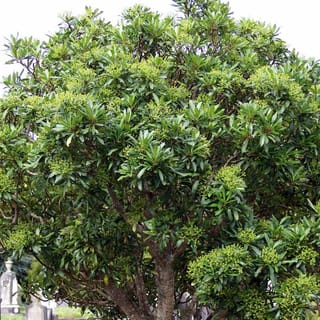
This is a resilient plant with a tropical appearance, characterized by multiple stems and large, deep-green, glossy, leathery leaves that emerge on purple-red stems. In the spring, it produces decorative clusters of black berries that are a favorite among birds. This versatile plant is also highly adaptable and can be pruned to fit any desired size. During the late-winter to late-spring, it produces small white flowers, followed by purple fruits in the late-spring to late-summer, which are also a favored food of birds. Pseudopanax laetus is evergreen and native to New Zealand.

Uses

  • Attracts Birds

Origin

  • Native

City Recommendations

  • Auckland
  • Christchurch
  • Hamilton
  • Wellington
  • Blenheim
  • Dunedin
  • Gisborne
  • Hastings
  • Napier
  • Nelson
  • New Plymouth
  • Palmerston North
  • Rotorua
  • Taupō
  • Tauranga
  • Timaru
  • Whanganui
  • Whangārei

Plant Details

Foliage Type
  • Evergreen
Hardiness (min °C)
  • -5°C to 1°C
Position
  • Full sun
  • Partial shade
Soil Type
  • Loamy
  • Sandy
Soil pH
  • Acidic
  • Alkaline
  • Neutral
Soil Moisture
  • Well-drained

Seasonal Colour

FlowerJun–Nov

Foliage

FruitSep–Feb

Stem

This is a general guide. When a plant flowers, fruits and colours up depends on the climate where you live and on the season. If timing matters, please reach out to our team.
Foliage Type

Evergreen plants retain foliage year-round but still shed and replace some leaves gradually as part of their normal growth cycle, rather than losing them all at once.

Deciduous plants shed all their leaves for part of the year (usually in autumn and winter), usually in response to colder temperatures or dry seasons, often producing seasonal colour before leaf drop.

Semi-evergreen plants sit between the two, keeping most of their foliage but losing some or all leaves briefly under cooler or drier conditions before quickly regrowing them.

Soil pH

When designing and planting your garden, it can be useful to know whether the soil is acid or alkaline, as different plants thrive in different soils. The soil pH is a number that describes how acid or alkaline your soil is. The soil pH scale will give you an idea of what soils a species will grow in.

Acidic soils have a pH below 7.0

Alkaline soils have a pH above 7.0

Neutral soils have a pH of 7.0

Soil Type

Chalky soil is alkaline and often contains visible pieces of chalk or limestone. It drains very quickly and can be low in nutrients, making it difficult for many plants to grow unless organic matter is added. Some plants, however, thrive in its free-draining, lime-rich conditions.

Rocky soil contains a high proportion of stones and gravel. It usually drains well but holds very little water or nutrients. Plant roots may struggle to establish, though hardy, drought-tolerant plants can adapt to it.

Sandy soil has large particles that feel gritty to the touch. It drains quickly and warms up fast in spring, but it does not retain moisture or nutrients well. Regular watering and the addition of compost can improve its fertility.

Loamy soil is a balanced mix of sand, silt, and clay. It holds moisture and nutrients well while still allowing excess water to drain, making it ideal for most plants. Loam is generally considered the best all-round soil for gardening and agriculture.

Clay soil is made up of very fine particles and feels smooth or sticky when wet. It retains water and nutrients well but drains poorly and can become compacted. With proper management, such as adding organic matter, clay soil can be very fertile.