




We are hiring! Job openings are on our Careers page.

Prunus x subhirtella 'Falling Snow'

Higan Cherry

Height
3m
Width
2m
Tree shape

Estimated size at 10 years

Choose a grade

Stock Info

All prices exclude GST. No payment is taken now.

Select a grade35L$176.002m · LW36 available35L$176.002m · Standard 1.0m8 available45L$228.001.8m · Standard 1.5m1 available45L$228.001.8-2.2m · LW11 available45L$228.001.2-1.8m · Standard 1.0m2 available60L$300.001.8-2m · Standard 1.7m2 available60L$300.001.2m · Standard 1.0m2 available

Selected option

No grade chosen yet

Choose a grade above to see its height and price.

Selected option

35L

$176.00each, excl. GST

Height 2mLW

36 available

Selected option

35L

$176.00each, excl. GST

Height 2mStandard 1.0m

8 available

Selected option

45L

$228.00each, excl. GST

Height 1.8mStandard 1.5m

1 available

Selected option

45L

$228.00each, excl. GST

Height 1.8-2.2mLW

11 available

Selected option

45L

$228.00each, excl. GST

Height 1.2-1.8mStandard 1.0m

2 available

Selected option

60L

$300.00each, excl. GST

Height 1.8-2mStandard 1.7m

2 available

Selected option

60L

$300.00each, excl. GST

Height 1.2mStandard 1.0m

2 available

Wholesale pricing

Sign in to see your wholesale prices on every grade. New to Leafland? Apply for a wholesale account.

Stock Info

Standard height
The height of the clear trunk before the graft and branching begins.
Low worked (LW)
Grafted, or allowed to branch, much lower on the trunk.
Clear trunk (CT) vs Bushy
Clear trunk has its branches trimmed up. Bushy is allowed to grow out from lower down.
Cloud pruned
Foliage shaped into distinct, rounded “clouds” on carefully spaced branches.

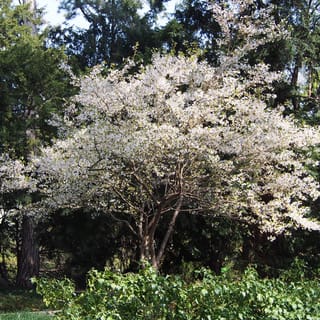
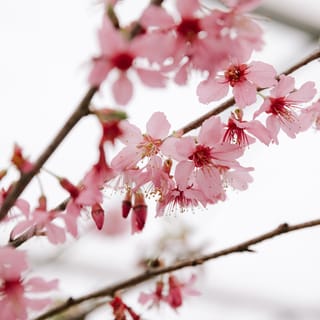
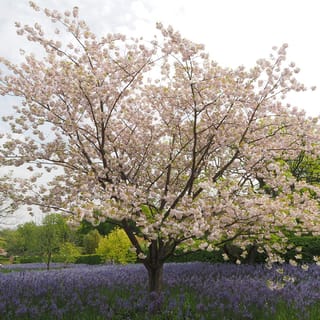
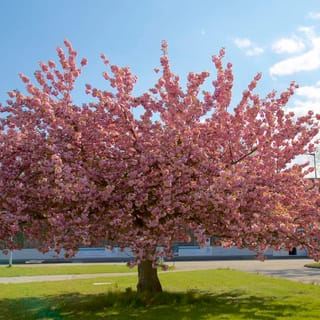
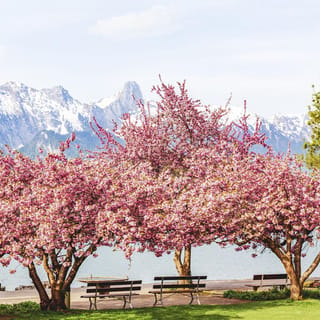
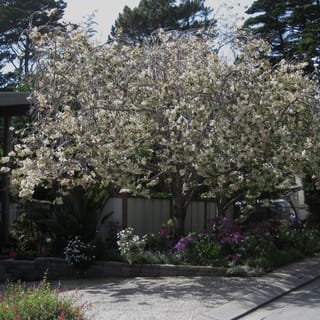
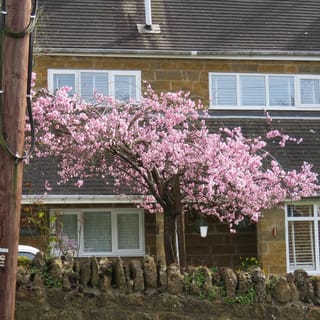
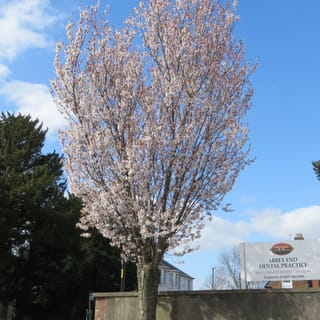
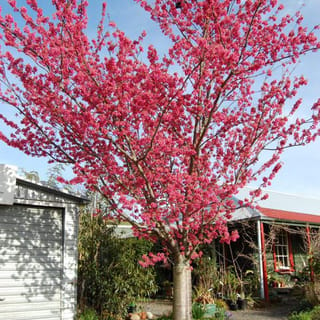
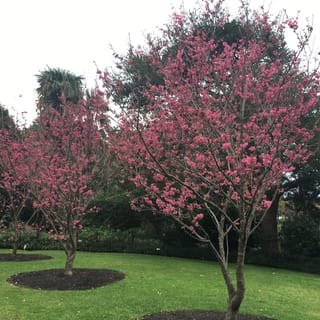
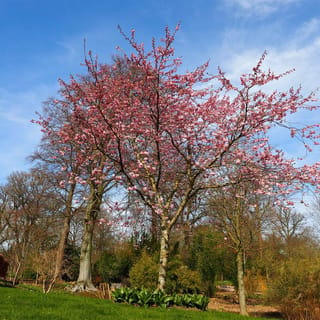
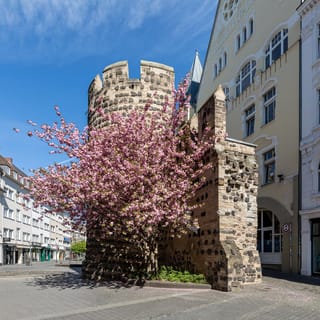
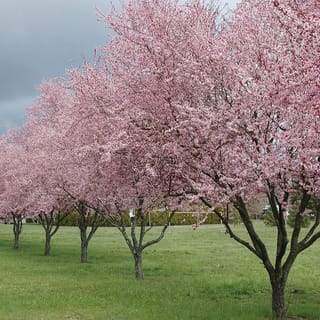
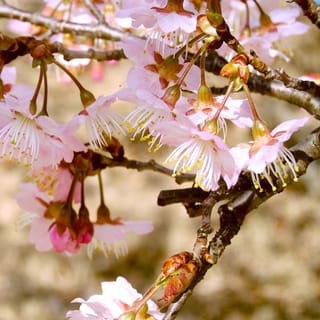
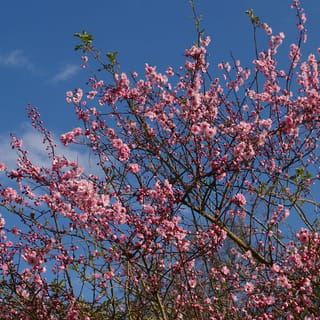
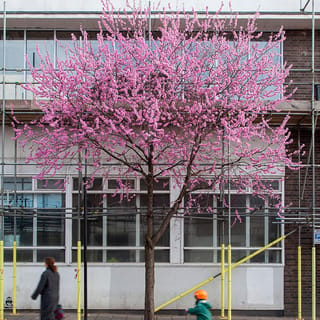
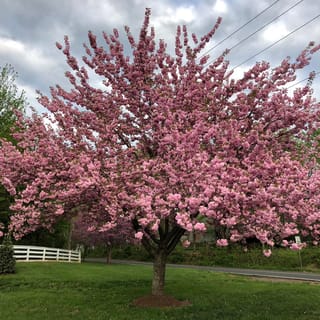
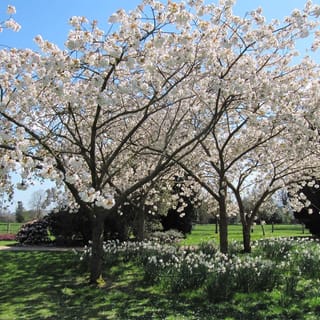
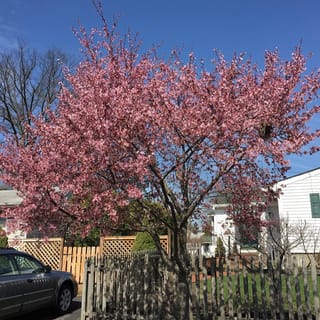
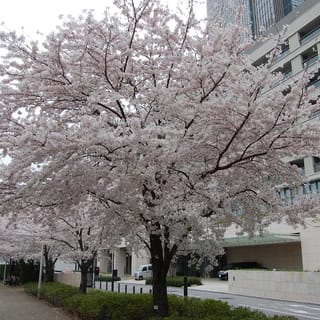
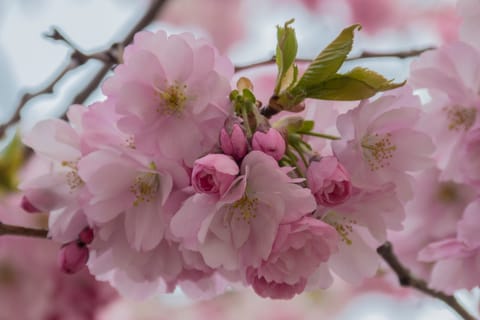
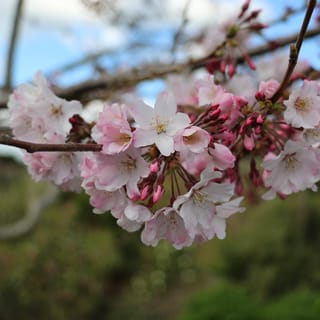
Prunus x subhirtella 'Falling Snow' has a tiered growth habit with arching and gracefully-pendant branches. From early to mid-spring, the branches of Prunus x subhirtella 'Falling Snow' are smothered with pink buds that open to small, single, pale-pink to white flowers, adding a soft and delicate look. In the autumn months, the leaves of Prunus x subhirtella 'Falling Snow' turn shades of yellow and orange, adding a bright splash of color to the landscape. Prunus x subhirtella is a hybrid between Prunus itosakura (syn. Prunus subhirtella) and Prunus incisa. Prunus x subhirtella is deciduous and native to Japan. 'Falling Snow' was developed in about 1985 by Lake County Nursery in Madison, Ohio, United States.

Also known as

Winter-flowering Cherry·Spring Cherry·Rosebud Cherry·Prunus x subhirtella 'Snofozam'·Prunus x subhirtella 'Snow Fountains'·Prunus x subhirtella 'White Fountain'

Uses

  • Attracts Bees
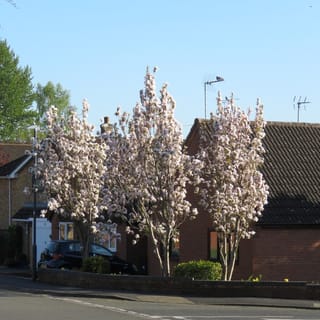
  • Street Trees

Origin

  • Exotic

City Recommendations

  • Auckland
  • Tauranga
  • Whanganui

More about Prunus x subhirtella 'Falling Snow'

Plant Details

Foliage Type
  • Deciduous
Hardiness (min °C)
  • -20°C to -15°C
Position
  • Full sun
Soil Type
  • Loamy
  • Sandy
  • Clay
Soil Moisture
  • Well-drained
  • Moist but well-drained

Seasonal Colour

FlowerSep–Nov

Foliage

This is a general guide. When a plant flowers, fruits and colours up depends on the climate where you live and on the season. If timing matters, please reach out to our team.

Foliage Type

Evergreen plants retain foliage year-round but still shed and replace some leaves gradually as part of their normal growth cycle, rather than losing them all at once.

Deciduous plants shed all their leaves for part of the year (usually in autumn and winter), usually in response to colder temperatures or dry seasons, often producing seasonal colour before leaf drop.

Semi-evergreen plants sit between the two, keeping most of their foliage but losing some or all leaves briefly under cooler or drier conditions before quickly regrowing them.

Soil Type

Chalky soil is alkaline and often contains visible pieces of chalk or limestone. It drains very quickly and can be low in nutrients, making it difficult for many plants to grow unless organic matter is added. Some plants, however, thrive in its free-draining, lime-rich conditions.

Rocky soil contains a high proportion of stones and gravel. It usually drains well but holds very little water or nutrients. Plant roots may struggle to establish, though hardy, drought-tolerant plants can adapt to it.

Sandy soil has large particles that feel gritty to the touch. It drains quickly and warms up fast in spring, but it does not retain moisture or nutrients well. Regular watering and the addition of compost can improve its fertility.

Loamy soil is a balanced mix of sand, silt, and clay. It holds moisture and nutrients well while still allowing excess water to drain, making it ideal for most plants. Loam is generally considered the best all-round soil for gardening and agriculture.

Clay soil is made up of very fine particles and feels smooth or sticky when wet. It retains water and nutrients well but drains poorly and can become compacted. With proper management, such as adding organic matter, clay soil can be very fertile.