
We are hiring! Job openings are on our Careers page.

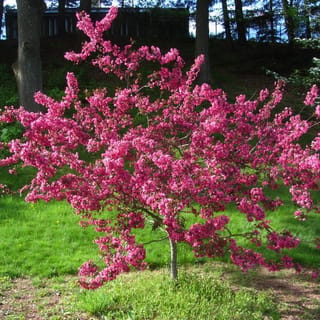
Malus 'Coronet Peak'

Crabapple

Height
4m
Width
3m
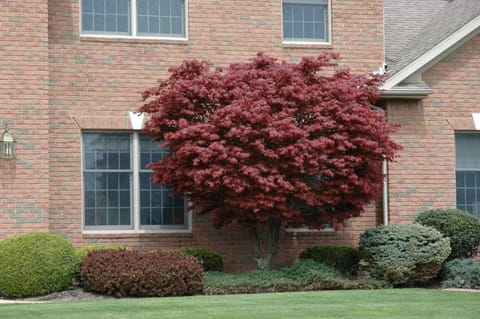
Tree shape

Estimated size at 10 years

Email me when it's back

Malus 'Coronet Peak' can't be ordered right now. Leave your email and we'll send a message when Malus 'Coronet Peak' is available again.

Notify me

Stock Info

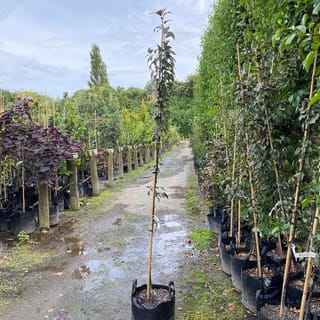
Standard height
The height of the clear trunk before the graft and branching begins.
Low worked (LW)
Grafted, or allowed to branch, much lower on the trunk.
Clear trunk (CT) vs Bushy
Clear trunk has its branches trimmed up. Bushy is allowed to grow out from lower down.
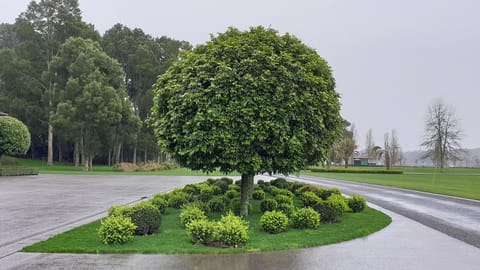
Cloud pruned
Foliage shaped into distinct, rounded “clouds” on carefully spaced branches.

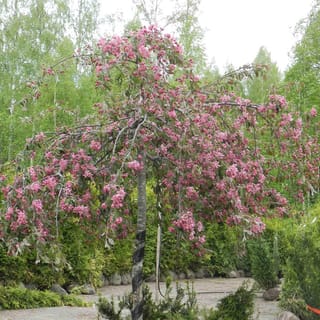
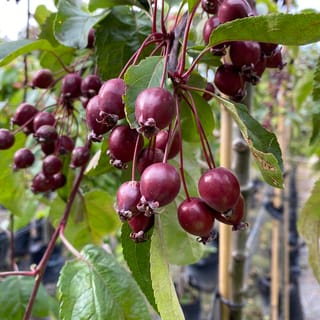
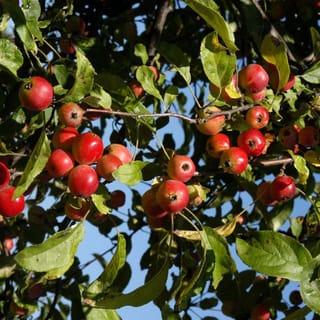
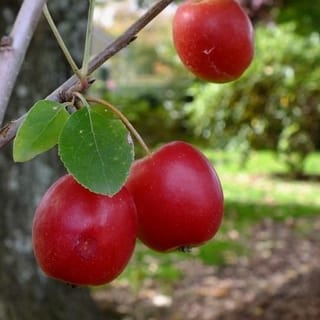
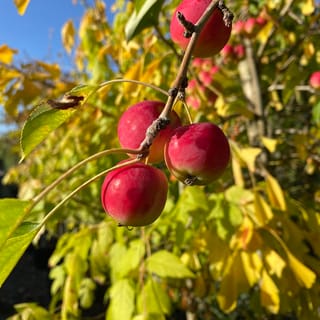
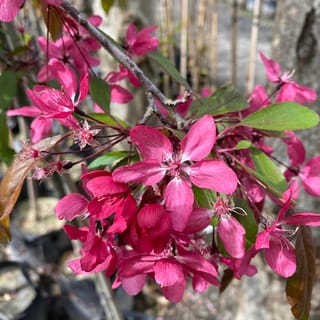
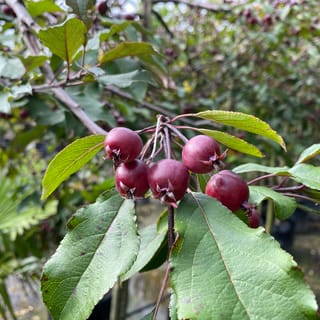
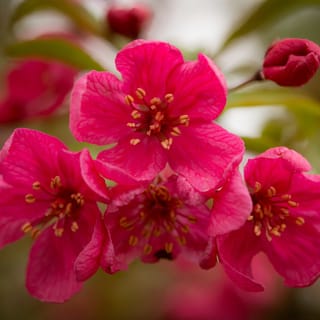
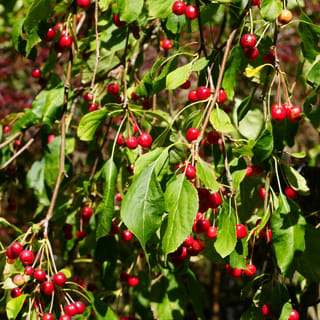
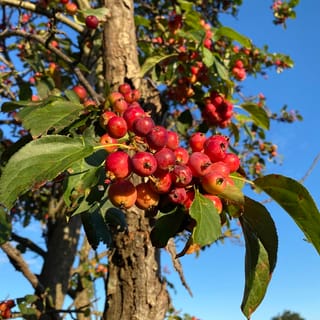
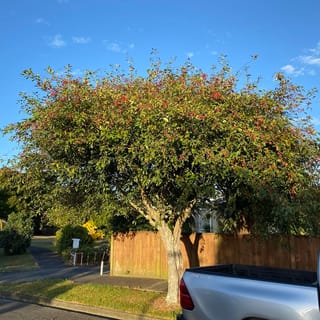
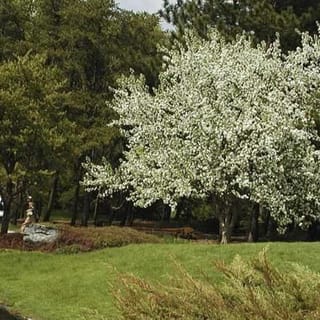
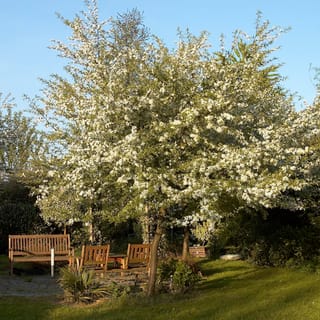
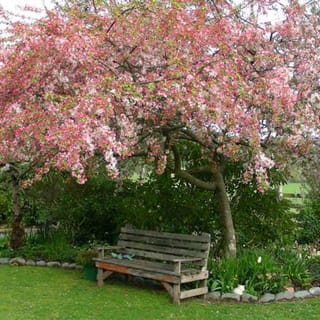
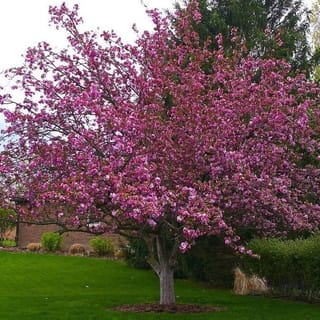
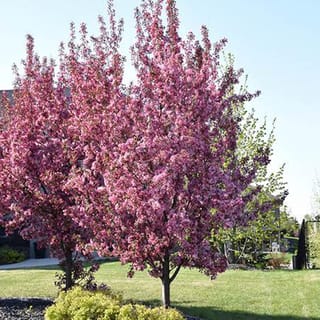
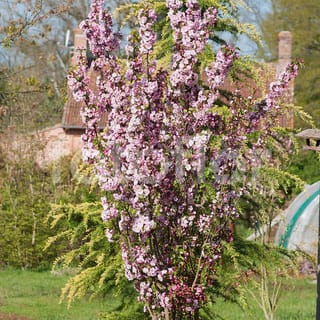
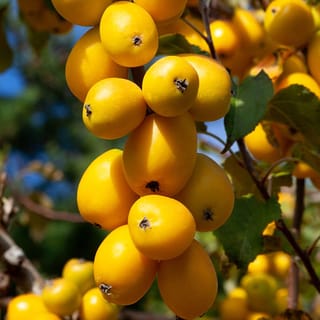
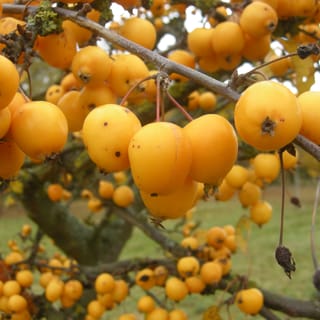
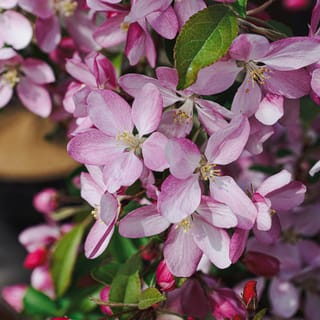
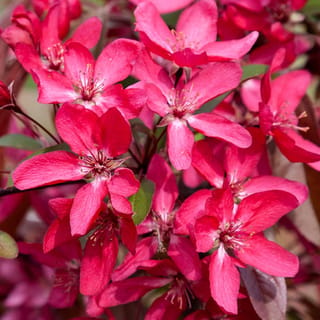
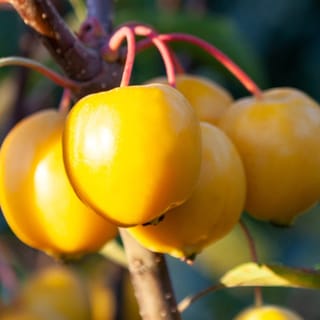
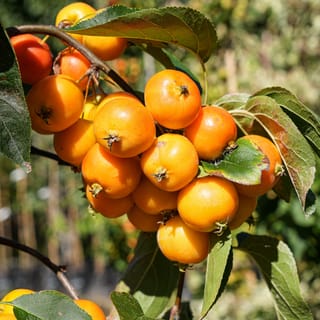
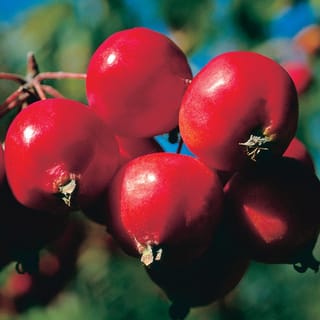
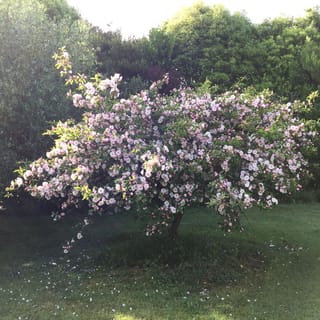
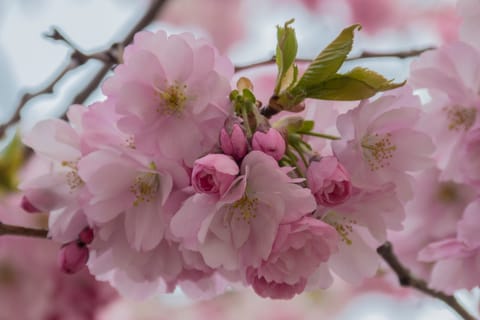
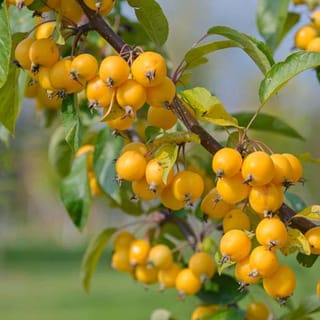
Malus 'Coronet Peak' is a neat-growing shade tree with horizontal spreading branches. It produces pink buds that open to pure-white blossoms in the spring and a mass of gold-yellow crabapples in the autumn. Malus 'Coronet Peak' is deciduous and not native to New Zealand.

Uses

  • Attracts Bees
  • Attracts Birds
  • Shade
  • Parks
  • Small Garden

Origin

  • Exotic

Plant Details

Foliage Type
  • Deciduous
Position
  • Full sun
Shade Tolerance
  • Partially tolerant
Drought Tolerance
  • Moderately sensitive
Waterlogging Tolerance
  • Sensitive
Soil Type
  • Clay
Soil Moisture
  • Well-drained
Soil Volume Needed
  • 8 m³

Seasonal Colour

FlowerSep–Nov

Foliage

FruitMar–May

This is a general guide. When a plant flowers, fruits and colours up depends on the climate where you live and on the season. If timing matters, please reach out to our team.
Drought Tolerance

The four-level scale, tolerant, moderately tolerant, moderately sensitive and sensitive, makes use of a number of sources of information (see the guide below for further information on this).

Regardless of a species’ drought tolerance ranking, the full expression of drought tolerance will only come about in well-established trees. Therefore, the selection of drought tolerant trees should never be seen as a substitute for good post-planting aftercare, such as mulching and irrigation.

Information sourced from the Tree Species Selection for Green Infrastructure guide produced by the Trees & Design Action Group. Find the guide here: https://www.tdag.org.uk/tree-species-selection-for-green-infrastructure.html

Foliage Type

Evergreen plants retain foliage year-round but still shed and replace some leaves gradually as part of their normal growth cycle, rather than losing them all at once.

Deciduous plants shed all their leaves for part of the year (usually in autumn and winter), usually in response to colder temperatures or dry seasons, often producing seasonal colour before leaf drop.

Semi-evergreen plants sit between the two, keeping most of their foliage but losing some or all leaves briefly under cooler or drier conditions before quickly regrowing them.

Shade Tolerance

A species is allocated its shade tolerance rating based on whether they can grow satisfactorily at a certain light availability. The four-level scale used relates approximately to the following light conditions, expressed as a percentage of full sunlight.

Tolerant (<10% full sunlight)

Moderately tolerant (10-25% full sunlight)

Partially tolerant (25-50% full sunlight)

Intolerant (>50% full sunlight)

It should be noted that many species towards the more tolerant end of the spectrum often perform better in slightly higher light levels than their tolerance rating suggests, however, it is generally unrewarding to plant moderately tolerant or tolerant trees in fully open (high-light) environments. It should also be acknowledged that, for many larger species, shade tolerance diminishes somewhat with age. This is because a tree’s need for shade tolerance is typically reduced as it becomes established within the forest canopy. Therefore, the allocated ratings are most closely related to young trees of the species and not fully mature specimens.

Information sourced from the Tree Species Selection for Green Infrastructure guide produced by the Trees & Design Action Group. Find the guide here: https://www.tdag.org.uk/tree-species-selection-for-green-infrastructure.html

Soil Type

Chalky soil is alkaline and often contains visible pieces of chalk or limestone. It drains very quickly and can be low in nutrients, making it difficult for many plants to grow unless organic matter is added. Some plants, however, thrive in its free-draining, lime-rich conditions.

Rocky soil contains a high proportion of stones and gravel. It usually drains well but holds very little water or nutrients. Plant roots may struggle to establish, though hardy, drought-tolerant plants can adapt to it.

Sandy soil has large particles that feel gritty to the touch. It drains quickly and warms up fast in spring, but it does not retain moisture or nutrients well. Regular watering and the addition of compost can improve its fertility.

Loamy soil is a balanced mix of sand, silt, and clay. It holds moisture and nutrients well while still allowing excess water to drain, making it ideal for most plants. Loam is generally considered the best all-round soil for gardening and agriculture.

Clay soil is made up of very fine particles and feels smooth or sticky when wet. It retains water and nutrients well but drains poorly and can become compacted. With proper management, such as adding organic matter, clay soil can be very fertile.

Waterlogging Tolerance

Most temperate deciduous trees can cope with several weeks of waterlogging during the period of winter dormancy as metabolic activity is minimal. However, waterlogging during active growth is more serious because roots are more active and require aerobic soils. In general, the more active the growth, the more rapidly the effects of waterlogging can be seen. Factors such as the water oxygenation status and temperature will also affect how acutely waterlogging stress develops so there can be a great deal of variation around how trees experience waterlogging stress.

Tolerant species can survive consistent waterlogging for the duration of the growing season.

Moderately tolerant species can survive consistent waterlogging for approximately one month during the growing season.

Moderately sensitive species are only likely to survive if the waterlogging event is less than two weeks during the growing season.

Sensitive species are only likely to survive if the waterlogging event is less than a few days during the growing season.

It is important to note that as this scale relates to the likely time-course to tree mortality, symptoms of waterlogging (and associated dysfunction) will be apparent within a shorter period of time.

Information sourced from the Tree Species Selection for Green Infrastructure guide produced by the Trees & Design Action Group. Find the guide here: https://www.tdag.org.uk/tree-species-selection-for-green-infrastructure.html

Soil Volume Needed

The volume of rooting soil this tree needs to reach maturity. It assumes a sandy loam topsoil, the tree at 50 years, and enough stored water to see it through a 35-day drought. Other soils change the figure.

Information sourced from the Tree Species Soil Volume Guide (third edition) produced by GreenBlue Urban.