We are hiring! Job openings are on our Careers page.

Cycas revoluta

Japanese Sago Palm

Height
3m
Width
2m
Tree shape

Estimated size at 10 years

Choose a grade

Stock Info

All prices exclude GST. No payment is taken now.

Select a grade17L$320.0024 available

Selected option

No grade chosen yet

Choose a grade above to see its height and price.

Selected option

17L

$320.00each, excl. GST

24 available

Wholesale pricing

Sign in to see your wholesale prices on every grade. New to Leafland? Apply for a wholesale account.

Stock Info

Standard height
The height of the clear trunk before the graft and branching begins.
Low worked (LW)
Grafted, or allowed to branch, much lower on the trunk.
Clear trunk (CT) vs Bushy
Clear trunk has its branches trimmed up. Bushy is allowed to grow out from lower down.
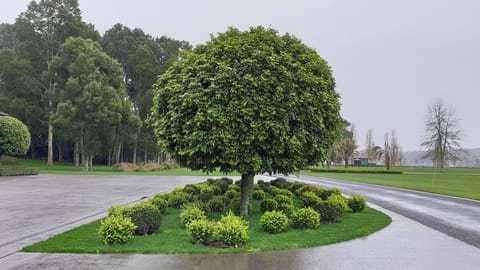
Cloud pruned
Foliage shaped into distinct, rounded “clouds” on carefully spaced branches.

Cycas revoluta, commonly known as sago palm, is a slow-growing, evergreen cycad valued for its bold, architectural form and stiff, glossy foliage. The dark green, feather-like leaves emerge in symmetrical rosettes from a central trunk, creating a strong structural feature that adds a tropical or sculptural feel to the landscape. Over time, Cycas revoluta develops a stout, textured trunk topped with a crown of rigid, arching fronds, giving it a distinctive palm-like appearance despite not being a true palm. New growth appears in flushes, forming soft, light green fronds that gradually harden and deepen in colour. Native to southern Japan, Cycas revoluta grows best in full sun to partial shade and prefers well-drained soils. It is highly tolerant of heat, coastal conditions, and periods of dryness once established, making it well suited to warm climates and exposed sites. With its striking form, longevity, and minimal maintenance requirements, Cycas revoluta is ideal as a specimen plant, in containers, or as a focal point in formal and tropical-style gardens.

Origin

  • Exotic

City Recommendations

  • Auckland
  • Gisborne
  • Napier
  • New Plymouth
  • Tauranga
  • Whanganui
  • Whangārei

More about Cycas revoluta

Plant Details

Foliage Type
  • Evergreen
Position
  • Full sun
  • Partial shade
Tolerance
  • Coastal
Soil Moisture
  • Well-drained

Seasonal Colour

Foliage

This is a general guide. When a plant flowers, fruits and colours up depends on the climate where you live and on the season. If timing matters, please reach out to our team.
Foliage Type

Evergreen plants retain foliage year-round but still shed and replace some leaves gradually as part of their normal growth cycle, rather than losing them all at once.

Deciduous plants shed all their leaves for part of the year (usually in autumn and winter), usually in response to colder temperatures or dry seasons, often producing seasonal colour before leaf drop.

Semi-evergreen plants sit between the two, keeping most of their foliage but losing some or all leaves briefly under cooler or drier conditions before quickly regrowing them.