We are hiring! Job openings are on our Careers page.

Cornus alba 'Elegantissima'

Siberian Dogwood

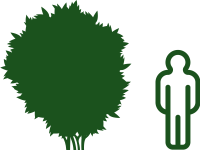
Height
3m
Width
2m
Tree shape

Estimated size at 10 years

Email me when it's back

Cornus alba 'Elegantissima' can't be ordered right now. Leave your email and we'll send a message when Cornus alba 'Elegantissima' is available again.

Notify me

Stock Info

Standard height
The height of the clear trunk before the graft and branching begins.
Low worked (LW)
Grafted, or allowed to branch, much lower on the trunk.
Clear trunk (CT) vs Bushy
Clear trunk has its branches trimmed up. Bushy is allowed to grow out from lower down.
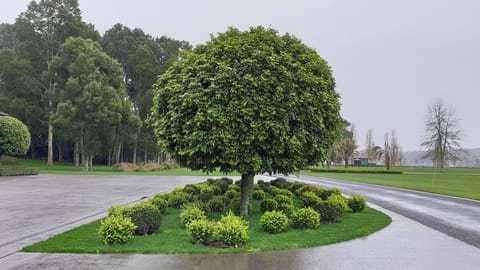
Cloud pruned
Foliage shaped into distinct, rounded “clouds” on carefully spaced branches.

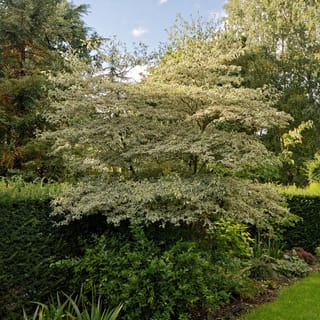
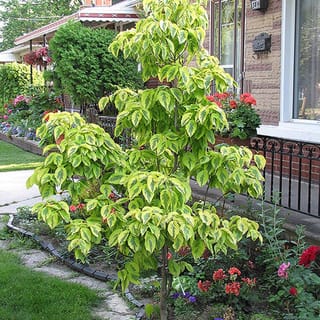
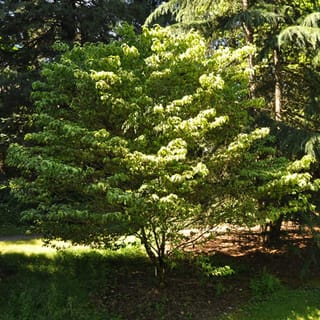
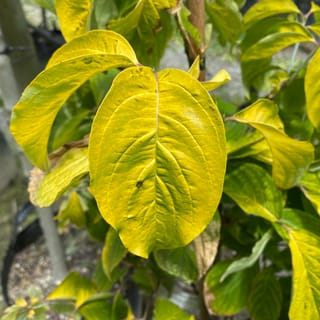
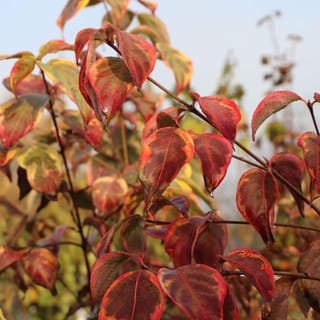
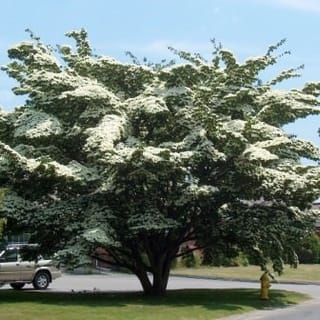
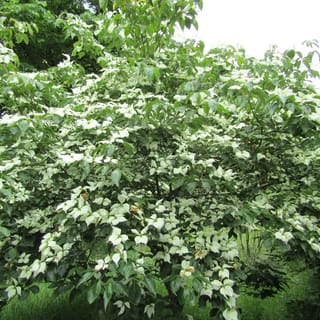
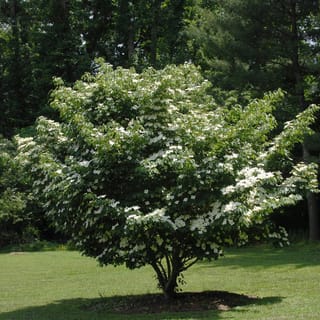
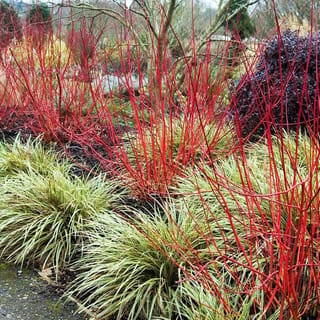
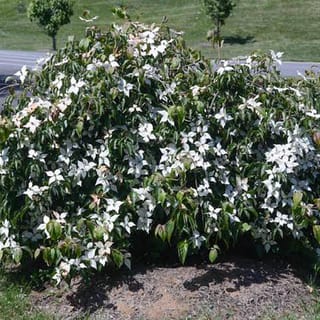
Cornus alba 'Elegantissima' is characterized by its thicket of erect, red stems, which are particularly striking in the winter months when the bare stems take on a glowing-scarlet color. Cornus alba 'Elegantissima' can tolerate very wet growing conditions, making it well-suited for use in a range of garden settings. It features green leaves with white margins, cream bunches of spring flowers, and blue-white fruit that follow. To promote new growth, it is recommended to cut back old stems to the ground every few years. In the autumn, the leaves of Cornus alba 'Elegantissima' turn orange and red, adding a touch of color to the garden. The unique growth habit of Cornus alba 'Elegantissima', its attractive foliage, and its adaptability make it a practical and visually appealing choice for any garden. Cornus alba is deciduous and native to Siberia, northern China, and Korea.

Also known as

Tatarian Dogwood·Cornus sericea subsp. sericea 'Elegantissima'·Cornus alba 'Sibirica Variegata'·Cornus sericea subsp. sericea 'Sibirica Variegata'·Cornus alba 'Argenteomarginata'·Cornus sericea subsp. sericea 'Argenteomarginata'

Origin

  • Exotic

More about Cornus alba 'Elegantissima'

Plant Details

Foliage Type
  • Deciduous
Position
  • Full sun
  • Partial shade
Soil Moisture
  • Poorly-drained

Seasonal Colour

FlowerSep–Nov

Foliage

FruitDec–Feb

Stem

This is a general guide. When a plant flowers, fruits and colours up depends on the climate where you live and on the season. If timing matters, please reach out to our team.
Foliage Type

Evergreen plants retain foliage year-round but still shed and replace some leaves gradually as part of their normal growth cycle, rather than losing them all at once.

Deciduous plants shed all their leaves for part of the year (usually in autumn and winter), usually in response to colder temperatures or dry seasons, often producing seasonal colour before leaf drop.

Semi-evergreen plants sit between the two, keeping most of their foliage but losing some or all leaves briefly under cooler or drier conditions before quickly regrowing them.