
We are hiring! Job openings are on our Careers page.

Camellia sasanqua 'Avalanche'

Camellia

Height
3m
Width
1m
Tree shape

Estimated size at 10 years

Choose a grade

Stock Info

All prices exclude GST. No payment is taken now.

Select a grade35L$176.001.5-1.6m4 in production

Selected option

No grade chosen yet

Choose a grade above to see its height and price.

Selected option

35L

$176.00each, excl. GST

Height 1.5-1.6m

4 in production

Ready approx. Apr 2027

Not ready to order yet.

Email me when it's back

Camellia sasanqua 'Avalanche' can't be ordered right now. Leave your email and we'll send a message when Camellia sasanqua 'Avalanche' is available again. The first should be ready approx. Apr 2027.

Notify me

Wholesale pricing

Sign in to see your wholesale prices on every grade. New to Leafland? Apply for a wholesale account.

Stock Info

Standard height
The height of the clear trunk before the graft and branching begins.
Low worked (LW)
Grafted, or allowed to branch, much lower on the trunk.
Clear trunk (CT) vs Bushy
Clear trunk has its branches trimmed up. Bushy is allowed to grow out from lower down.
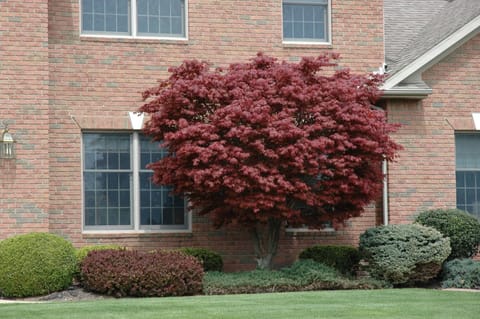
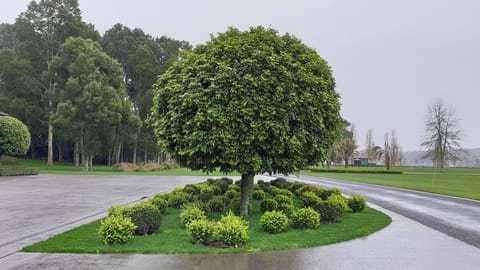
Cloud pruned
Foliage shaped into distinct, rounded “clouds” on carefully spaced branches.

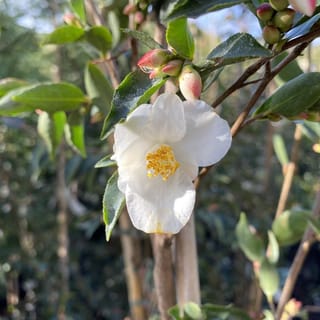
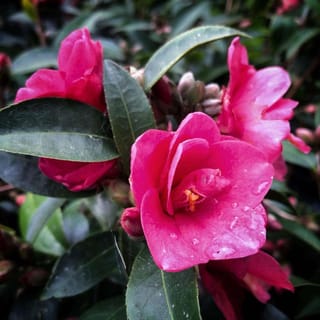
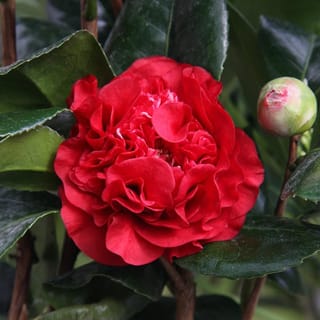
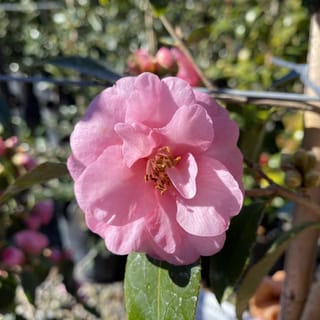
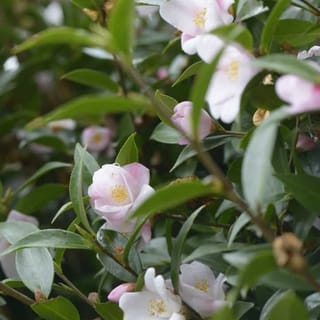
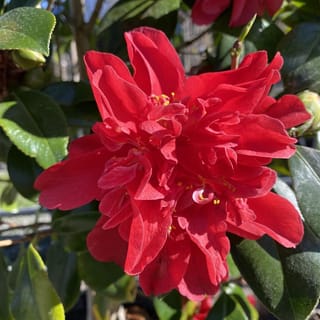
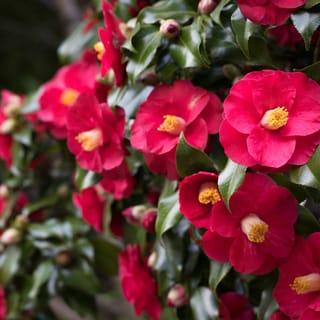
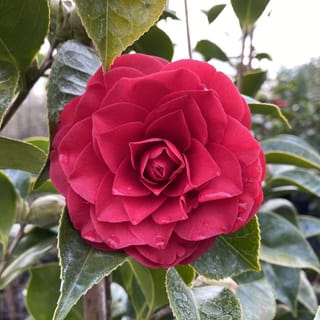
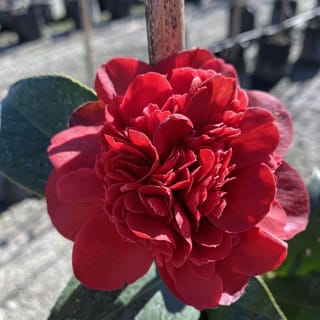
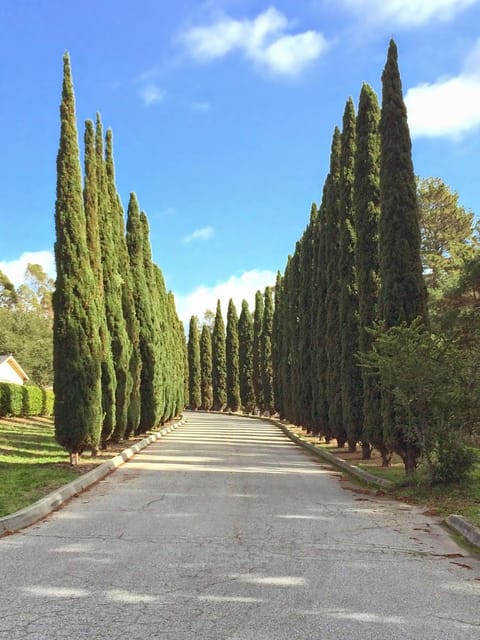
Camellia sasanqua ‘Avalanche’, also known as Camellia, is an elegant evergreen shrub with a naturally slender, upright habit and glossy dark green foliage. Its narrow form makes Camellia sasanqua ‘Avalanche’ especially useful for screening in smaller spaces, along boundaries, beside entranceways, or in tighter garden beds where structure is needed without excessive width.

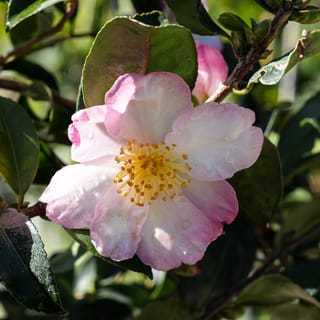
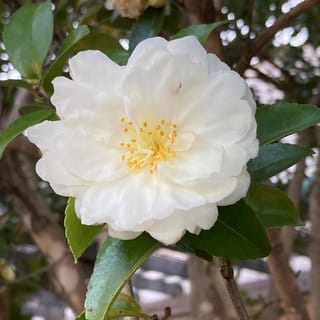
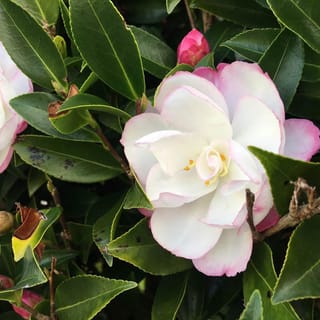
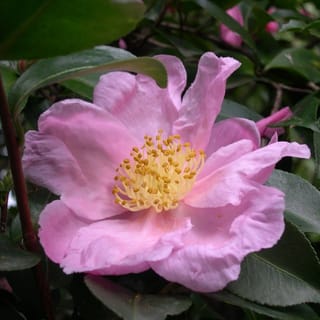
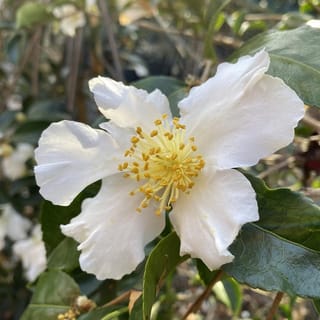
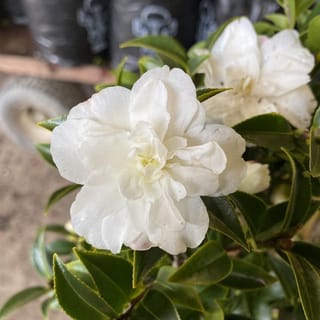
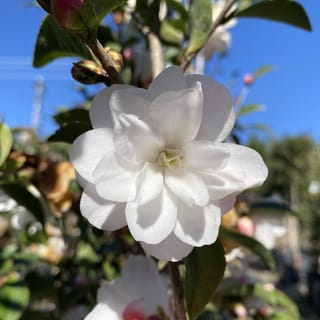
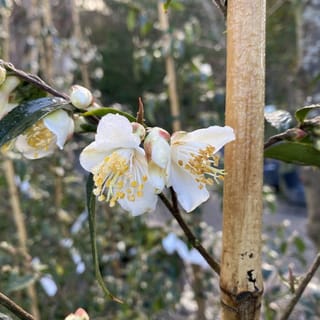
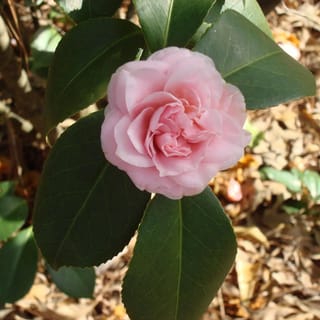
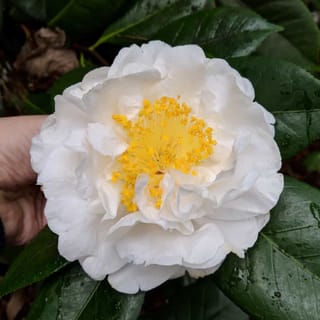
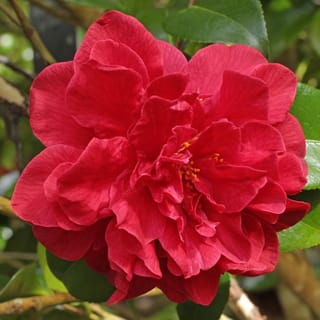
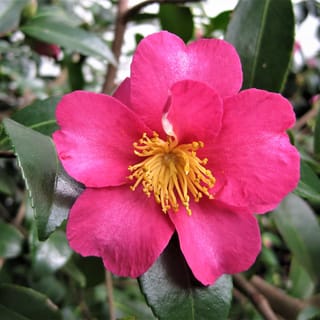
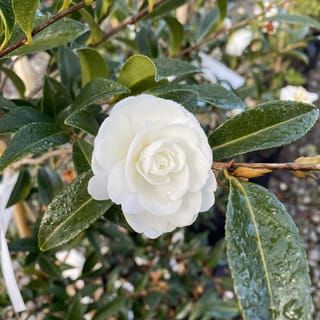
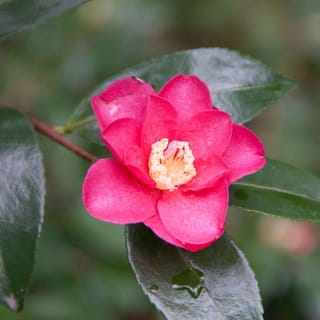
From autumn into winter, Camellia sasanqua ‘Avalanche’ produces a beautiful display of double white flowers with a slight fragrance. The clean, bright blooms stand out against the deep green foliage, bringing refined seasonal colour to the garden during the cooler months.

Low maintenance and easy to manage, Camellia sasanqua ‘Avalanche’ requires little to no pruning to maintain its naturally tidy shape. It performs best in partial shade and prefers well-drained, slightly acidic soil with good organic content. Once established, Camellia sasanqua ‘Avalanche’ tolerates hot conditions and light frosts, making it a reliable choice for a range of sheltered garden and landscape settings.

With its upright form, fragrant white flowers, and suitability for compact screening, Camellia sasanqua ‘Avalanche’ is an excellent choice for hedging, narrow spaces, formal planting, and gardens needing year-round structure with elegant autumn and winter interest.

Also known as

Camellia sasanqua 'Slimline Avalanche'

Uses

  • Attracts Bees
  • Climate-Ready, Drought-Resistant Plants in NZ
  • Hedging and Screening
  • Narrow Sites

Origin

  • Exotic

City Recommendations

  • Auckland
  • Christchurch

More about Camellia sasanqua 'Avalanche'

Plant Details

Foliage Type
  • Evergreen
Climate Change Resilience
  • Resilient
Position
  • Full sun
  • Partial shade

Seasonal Colour

FlowerMar–Aug

Foliage

This is a general guide. When a plant flowers, fruits and colours up depends on the climate where you live and on the season. If timing matters, please reach out to our team.
Climate Change Resilience

This scale provides information on the resilience of species to the projected future climate in New Zealand – using the Auckland Botanic Gardens as the central location for projected future temperatures. This projection is based upon the ‘Business as Usual’ climate change scenario that uses the SSP3 or RCP7.0 emission scenario as laid out by the IPCC. It is a ‘worst case scenario’ and predicts the climate of 2090 — 70 years into the future — assuming that no steps have been taken to curb global emissions. The analysis of climate suitability of species is based on Mean Annual Temperature (MAT). The MAT for the Auckland Botanic Gardens under the ‘Business as Usual’ climate change scenario is projected to be 18.8 °C.

Highly resilient indicates that the species is mostly found growing within this MAT, meaning that at this MAT the species is expected to be within its preferred temperature range. Bear in mind that the MAT does not necessarily account for extreme weather events, such as heatwaves or frosts/freezes, and droughts. A species’ precipitation needs should be considered as well.

Resilient indicates that the species does occur at this temperature. It may not be the species’ most preferred climate, but it is anticipated to be well suited to this MAT.

Limited resilience indicates that there are known occurrences of the species growing at this MAT, but this MAT is near the limit of known occurrences. The species may be able to be grown at this temperature, but care regarding its microclimate, context and vulnerability to other factors such as pests and diseases may be required.

Not currently recorded indicates that there are no current records of the species growing at this MAT. If there are very few records for a specific species, this may simply be an indication of a lack of recorded observations, and not plant performance.

It is important to note that there are, generally speaking, more records occurring in the Northern Hemisphere and in cooler climates than there are for the Southern Hemisphere and the southern predominance of warmer climates. This can lead to a potential skewing in the data and results may be biased toward colder climates, indicating less heat tolerance than is true of the species.

This information gleaned from the Climate Assessment Tool aims to provide guidance and support for decisions; it is not an absolute answer, and while the predictions are based on rigorous scientific data, they are just that — predictions. The information will give you an idea of what is more likely to suit New Zealand’s future climate, but trialling of plants in the landscape is still a necessity.

Information sourced from the Climate Assessment Tool provided by the Botanic Gardens Conservation International organisation and can be accessed here: https://cat.bgci.org

Foliage Type

Evergreen plants retain foliage year-round but still shed and replace some leaves gradually as part of their normal growth cycle, rather than losing them all at once.

Deciduous plants shed all their leaves for part of the year (usually in autumn and winter), usually in response to colder temperatures or dry seasons, often producing seasonal colour before leaf drop.

Semi-evergreen plants sit between the two, keeping most of their foliage but losing some or all leaves briefly under cooler or drier conditions before quickly regrowing them.