We are hiring! Job openings are on our Careers page.

Acer caudatifolium 'Summer Surprise'

Kawakami Maple

Height
5m
Width
3m
Tree shape

Estimated size at 10 years

Email me when it's back

Acer caudatifolium 'Summer Surprise' can't be ordered right now. Leave your email and we'll send a message when Acer caudatifolium 'Summer Surprise' is available again.

Notify me

Stock Info

Standard height
The height of the clear trunk before the graft and branching begins.
Low worked (LW)
Grafted, or allowed to branch, much lower on the trunk.
Clear trunk (CT) vs Bushy
Clear trunk has its branches trimmed up. Bushy is allowed to grow out from lower down.
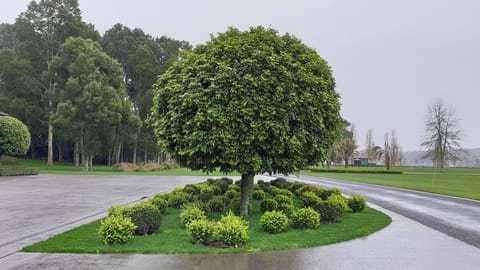
Cloud pruned
Foliage shaped into distinct, rounded “clouds” on carefully spaced branches.

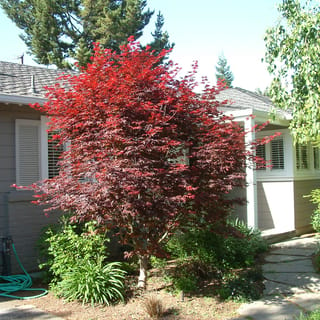
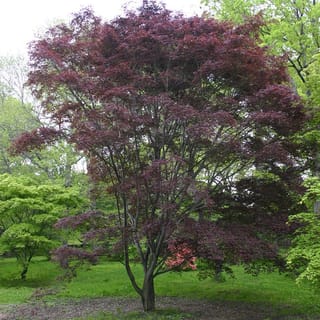
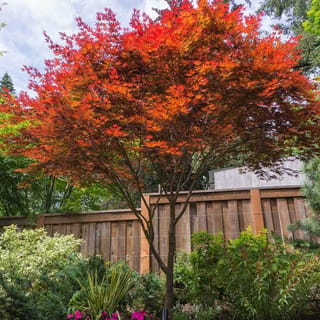
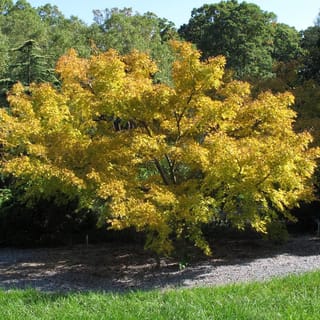
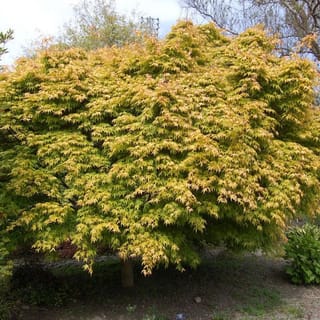
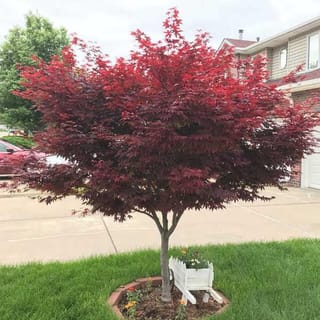
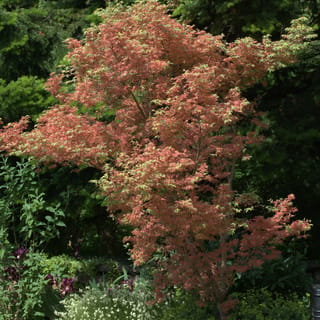
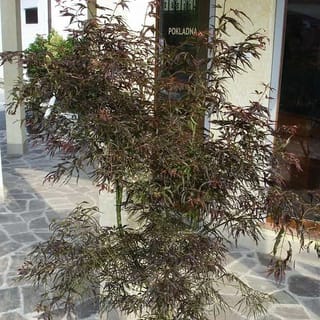
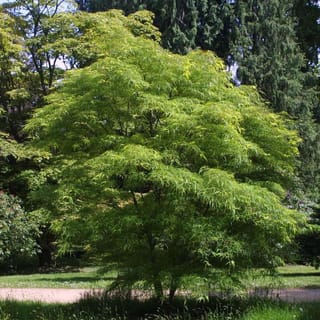
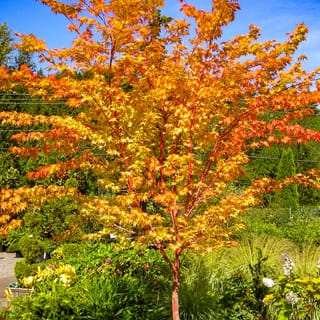
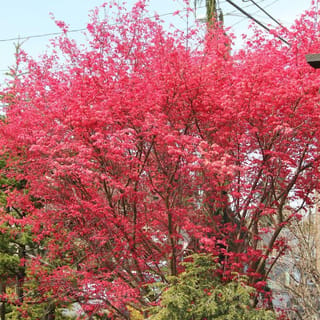
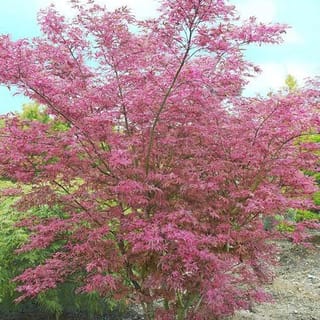
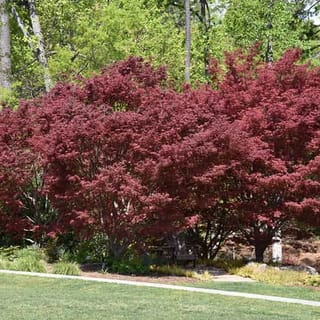
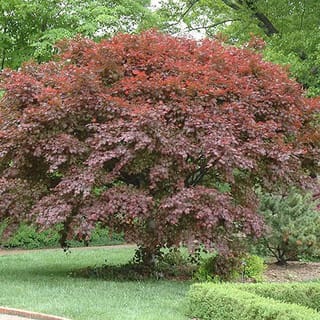
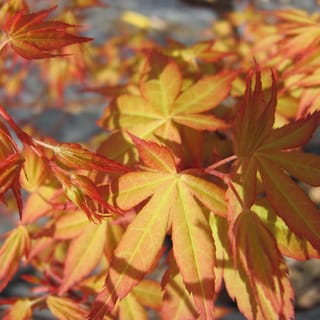
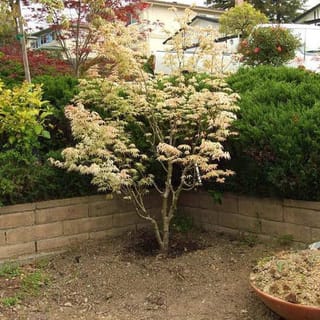
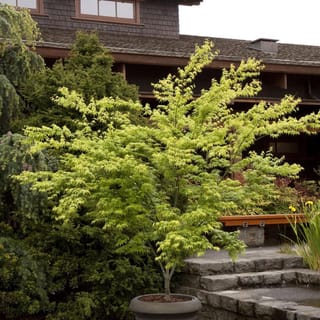
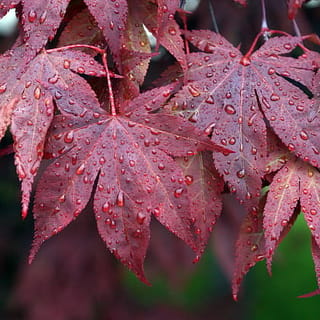
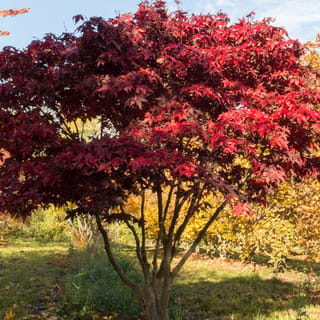
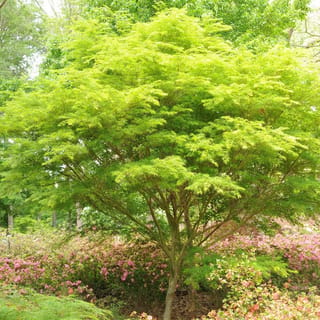
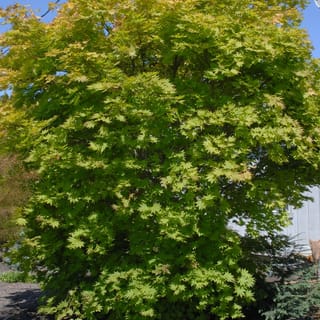
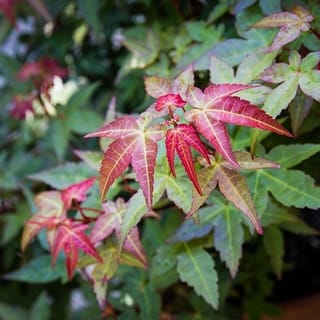
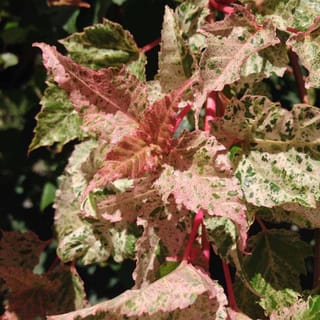
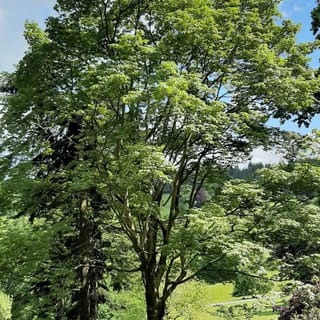
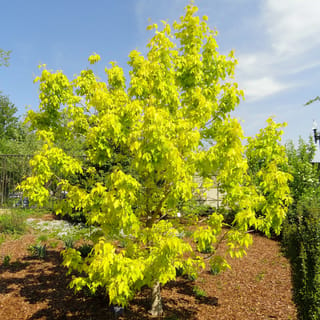
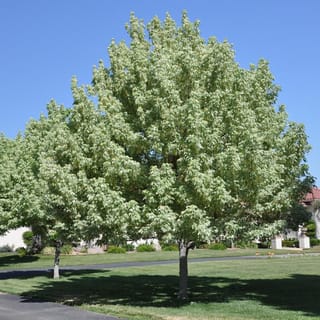
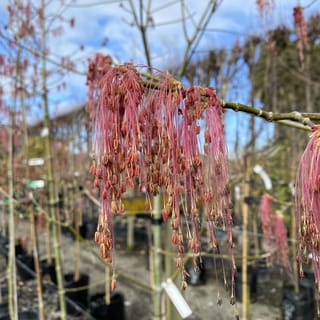
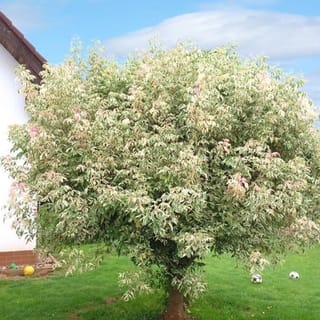
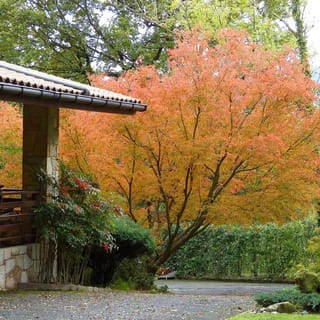
Acer caudatifolium 'Summer Surprise' boasts stunning features throughout the year. During spring, it produces red new stems and green leaves, and during summer, the leaves become variegated with cream. As autumn arrives, the leaves turn a beautiful orange-red. Acer caudatifolium 'Summer Surprise' grows best in part-shade and prefers soil that is moist and well-drained. It's important to keep Acer caudatifolium 'Summer Surprise' sheltered from strong winds. One of the standout features of Acer caudatifolium 'Summer Surprise' is its striped bark. Acer caudatifolium is deciduous and native to Taiwan.

Also known as

Snakebark Maple·Acer kawakamii 'Summer Surprise'

Uses

  • Small Garden

Origin

  • Exotic

More about Acer caudatifolium 'Summer Surprise'

Plant Details

Foliage Type
  • Deciduous
Crown Form
  • Ovoid
Crown Density
  • Moderately dense
Hardiness (min °C)
  • -10°C to -5°C
Position
  • Partial shade
Soil Type
  • Clay
  • Loamy
  • Sandy
Soil Moisture
  • Moist but well-drained

Seasonal Colour

FlowerSep–Nov

Foliage

FruitMar–May

Stem

This is a general guide. When a plant flowers, fruits and colours up depends on the climate where you live and on the season. If timing matters, please reach out to our team.
Crown Density

Healthy crowns differ in their density as a function of leaf and branching characteristics. Three categories are used: dense, moderately dense and open. In some cases, it has been possible to underpin these categories with leaf area index (LAI: leaf area per unit ground area (m2 m-2) data.

Dense crowns typically have a LAI of >6m2 m-2.

Moderately dense crowns typically have a LAI of 3-6m2 m-2.

Open crowns typically have a LAI of <3m2 m-2.

Information sourced from the Tree Species Selection for Green Infrastructure guide produced by the Trees & Design Action Group. Find the guide here: https://www.tdag.org.uk/tree-species-selection-for-green-infrastructure.html

Crown Form

Tree crowns often have a characteristic form when grown in open environments. This feature can often be an important design element of a planting scheme as well as affecting how the tree crown interacts with surrounding vegetation and infrastructure. Despite a tendency for a particular form, very few species rigidly conform to a particular shape. Many species are inherently variable in their morphology as a function of maturity or environment and fall somewhere between categories.

Globular crowns have a rounded form with vertical and horizontal dimensions being approximately equal.

Ovoid crowns are somewhat elliptic, broader at the base than they are at the top, with the vertical axis greatly exceeding the horizontal axis.

Obovoid crowns are also somewhat elliptic, with the vertical axis greatly exceeding the horizontal axis but are broader in the upper part of the crown.

Conical crowns are approximately triangular in their outline and are broadest at their base.

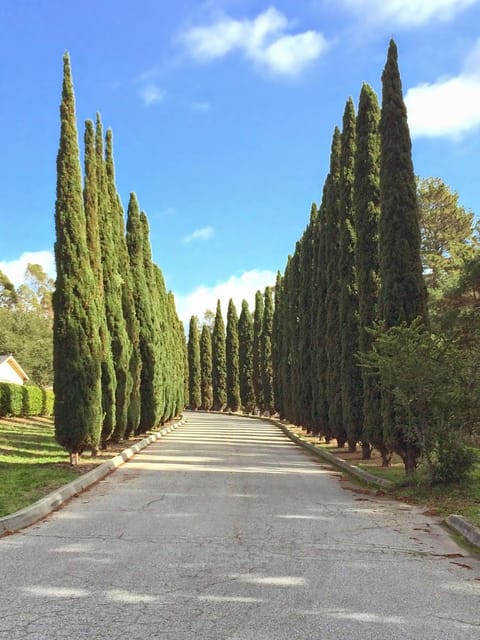
Columnar crowns have a vertical axis that greatly exceeds the horizontal axis but the proportions of the upper and lower crown are similar.

Irregular crowns have an asymmetrical and uneven outline.

Weeping crowns have strongly pendulous branches.

Vase crowns are much broader in the upper crown, which is often relatively flat rather than rounded.

Information sourced from the Tree Species Selection for Green Infrastructure guide produced by the Trees & Design Action Group. Find the guide here: https://www.tdag.org.uk/tree-species-selection-for-green-infrastructure.html

Foliage Type

Evergreen plants retain foliage year-round but still shed and replace some leaves gradually as part of their normal growth cycle, rather than losing them all at once.

Deciduous plants shed all their leaves for part of the year (usually in autumn and winter), usually in response to colder temperatures or dry seasons, often producing seasonal colour before leaf drop.

Semi-evergreen plants sit between the two, keeping most of their foliage but losing some or all leaves briefly under cooler or drier conditions before quickly regrowing them.

Soil Type

Chalky soil is alkaline and often contains visible pieces of chalk or limestone. It drains very quickly and can be low in nutrients, making it difficult for many plants to grow unless organic matter is added. Some plants, however, thrive in its free-draining, lime-rich conditions.

Rocky soil contains a high proportion of stones and gravel. It usually drains well but holds very little water or nutrients. Plant roots may struggle to establish, though hardy, drought-tolerant plants can adapt to it.

Sandy soil has large particles that feel gritty to the touch. It drains quickly and warms up fast in spring, but it does not retain moisture or nutrients well. Regular watering and the addition of compost can improve its fertility.

Loamy soil is a balanced mix of sand, silt, and clay. It holds moisture and nutrients well while still allowing excess water to drain, making it ideal for most plants. Loam is generally considered the best all-round soil for gardening and agriculture.

Clay soil is made up of very fine particles and feels smooth or sticky when wet. It retains water and nutrients well but drains poorly and can become compacted. With proper management, such as adding organic matter, clay soil can be very fertile.