
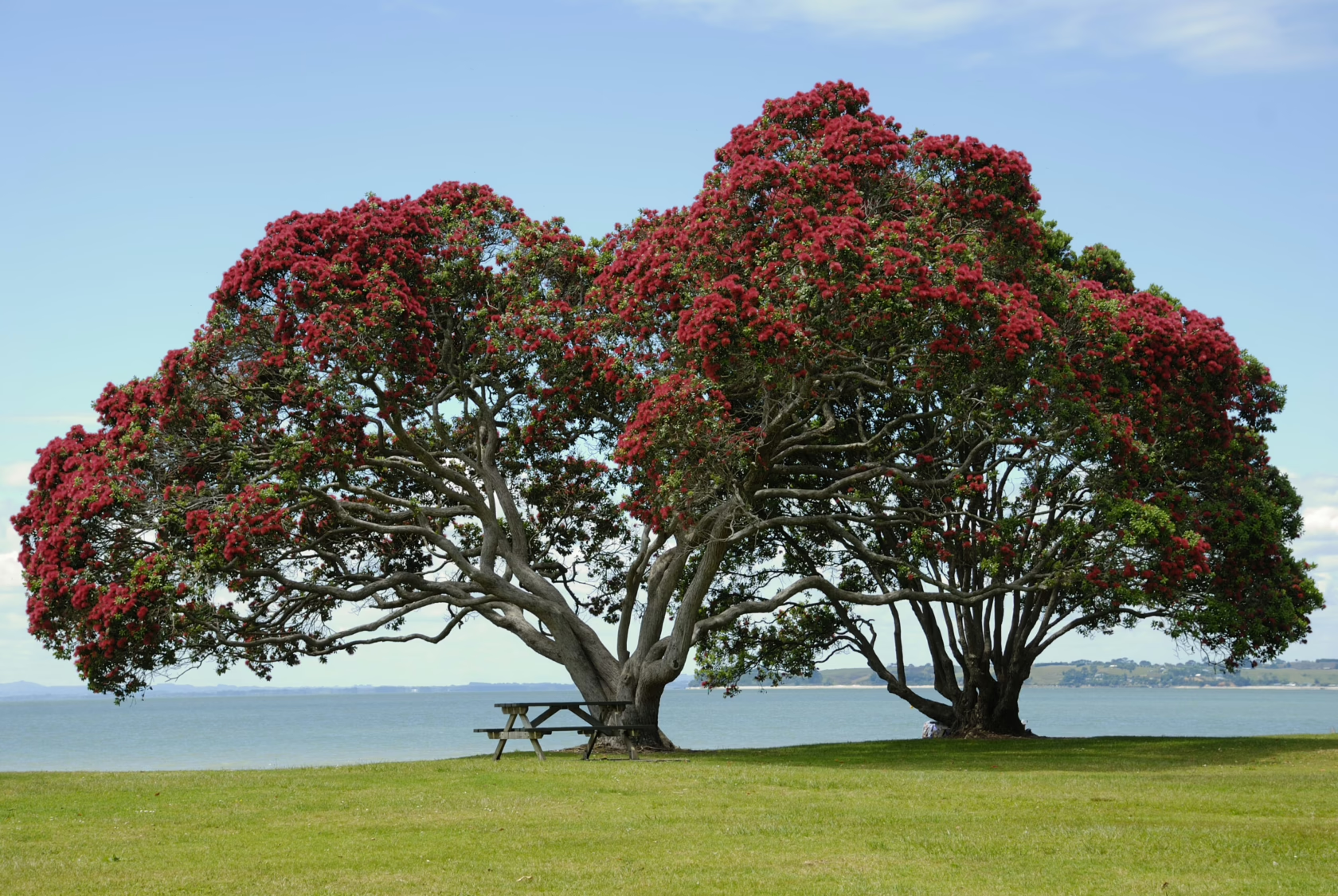
There is something pretty special about planting a tree that belongs here.
New Zealand has an incredible range of native trees, from bright spring flowers to hardy evergreens that can handle some of our wildest weather. But choosing the right one isn’t always as simple as picking the nicest-looking tree at the nursery.
Is your garden exposed? Are you after a flowering feature? Need some privacy from the neighbours? Or perhaps you’re planting beside the coast and need something that can cope with the conditions?
We’ve made it a little easier. Here are some of our favourite New Zealand natives, grouped by what you actually want them to do in your garden.
View all of our native plants →
Why plant New Zealand native trees?
Native trees can bring colour, shelter, structure and wildlife into your garden, while creating a strong sense of place.
They’re also incredibly varied. Some are happy in exposed coastal conditions, others prefer shelter, and some can grow into seriously impressive trees if given enough room.
The trick is simple: choose the right tree for the right spot.
Best New Zealand Native Trees for Flowers
If you’re after a native tree that brings a little more colour to the garden, these are three to put on your list.
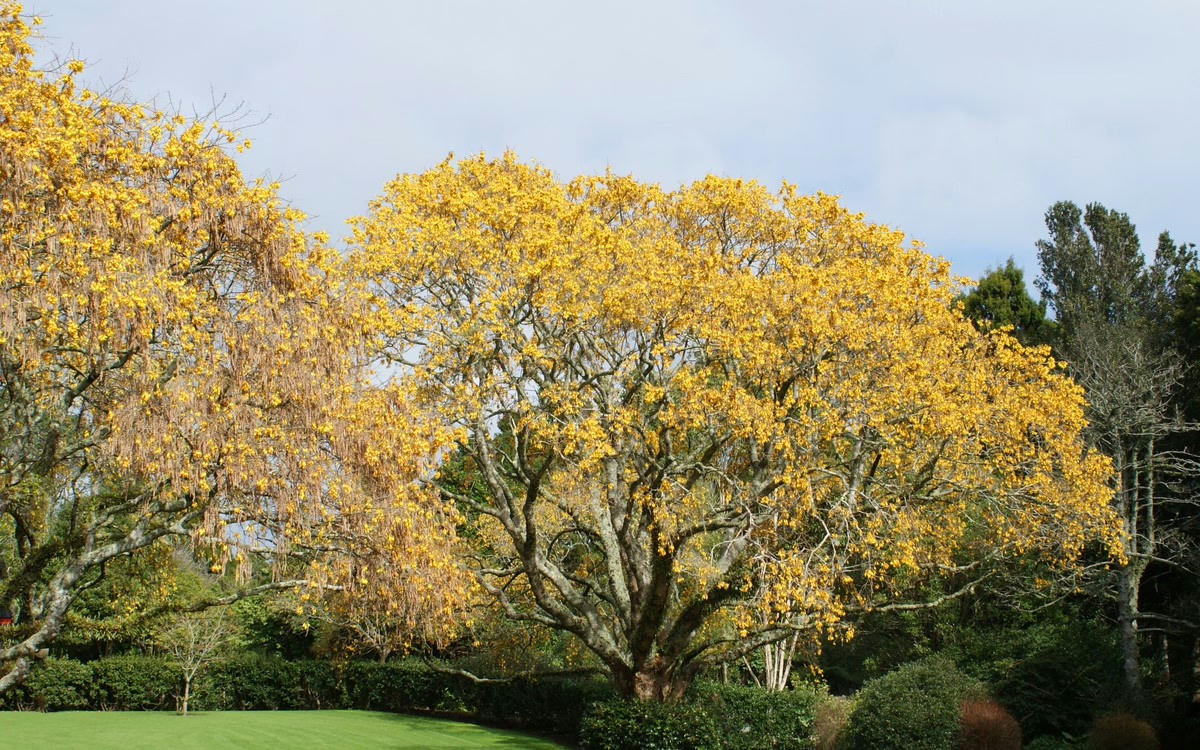
Kōwhai Tree
Kōwhai is probably one of the first trees that comes to mind when you think of New Zealand natives — and for good reason.
Its brilliant yellow flowers are one of the great signs of spring, lighting up the garden and providing an important nectar source for native birds such as tūī and bellbirds.
Features: Specimen feature tree, spring colour focal point, and native bird attractant.
Growth Habit: Upright to spreading canopy, often with a weeping appearance.
Mature Height: 8–10 metres.
Soil & Drainage: Requires good drainage; thrives in free-draining soils but dislikes waterlogged feet.
Climate: Prefers full sun. Young trees can be susceptible to harsh frosts, so provide some initial shelter while they establish.
Best for: Spring colour, birdlife and a classic New Zealand garden.
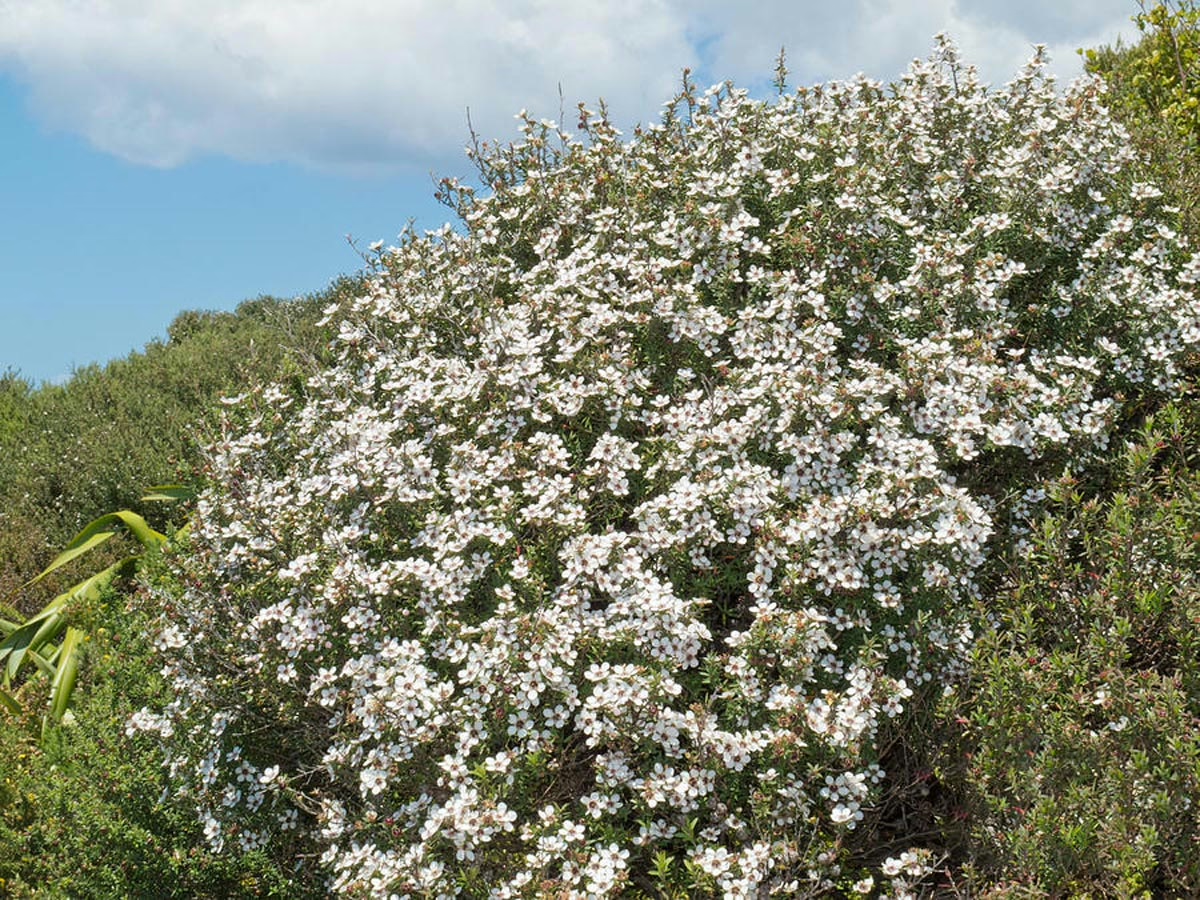
Mānuka Tree
Mānuka brings a completely different look, with masses of delicate white to pinkish flowers against small, fine foliage.
It’s also one of the tougher characters in the native plant world, making it particularly useful when your garden is exposed to wind or you’re working with less-than-perfect soil.
Features: Revegetation planting, pioneer shelter, and naturalistic garden structure.
Growth Habit: Dense, upright, and shrubby.
Mature Height: 3–4 metres.
Soil & Drainage: Highly adaptable. Prefers free-draining soil but can cope with poorer soil conditions better than many other natives.
Climate: Extremely hardy once established; tolerates wind, frost, and dry spells.
Best for: Flowering, exposed sites and naturalistic gardens.
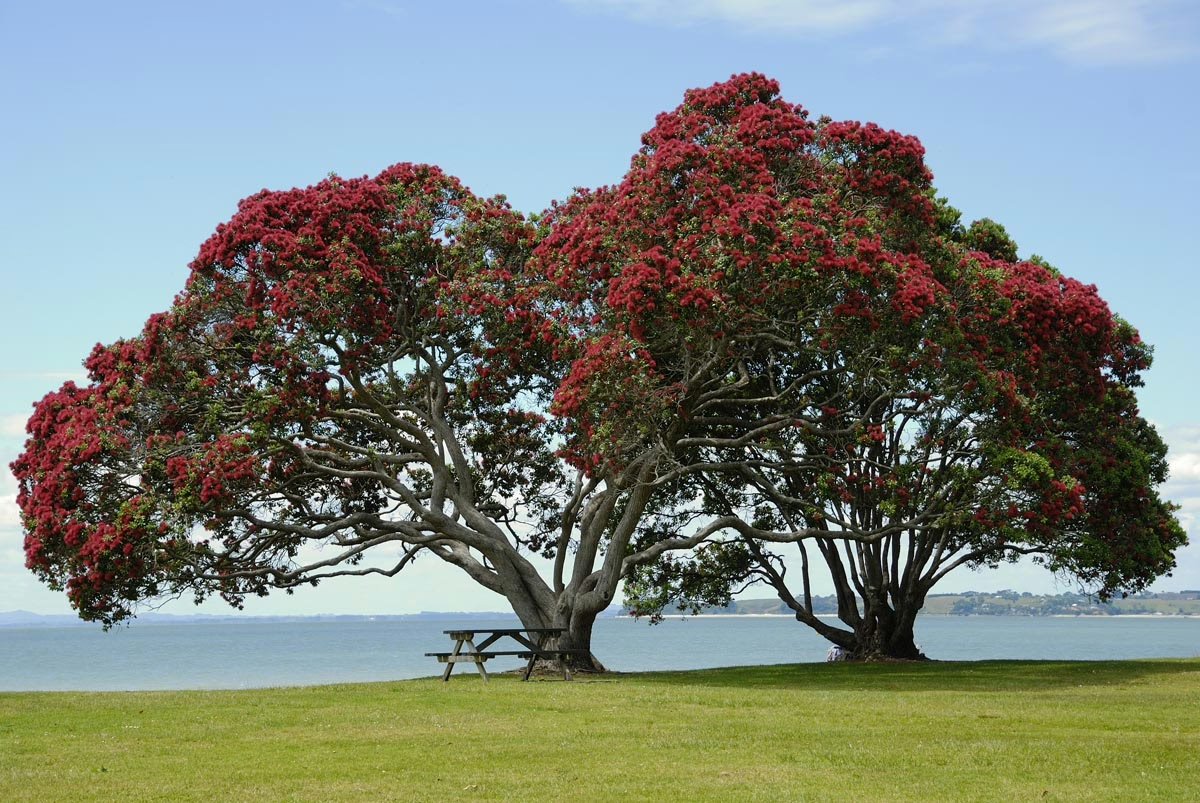
Pōhutukawa Tree (Metrosideros)
If you want a native tree with a bit more drama, Pōhutukawa is hard to ignore.
Its bold flowers bring brilliant colour to the garden and are a favourite with nectar-loving birds. With several species and forms available, it can range from a compact garden tree to a much larger specimen.
Features: Large coastal feature tree, shade canopy, and summer floral display.
Growth Habit: Broad, sprawling canopy, often developing aerial roots.
Mature Height: 15–20 metres (though smaller cultivars exist).
Soil & Drainage: Highly adaptable to sandy and poor soils; excellent drainage is essential.
Climate: Thrives in coastal and mild conditions. Wind and salt tolerant, but frost-tender when young.
Best for: Big floral impact, birdlife and coastal character.
Explore our Metrosideros range →
Best Native Trees for Screening
Sometimes you want a native tree because it’s beautiful.
And sometimes you want it because you would really rather not look directly into your neighbour’s kitchen window.
For privacy, shelter and year-round greenery, these are some of the standouts.
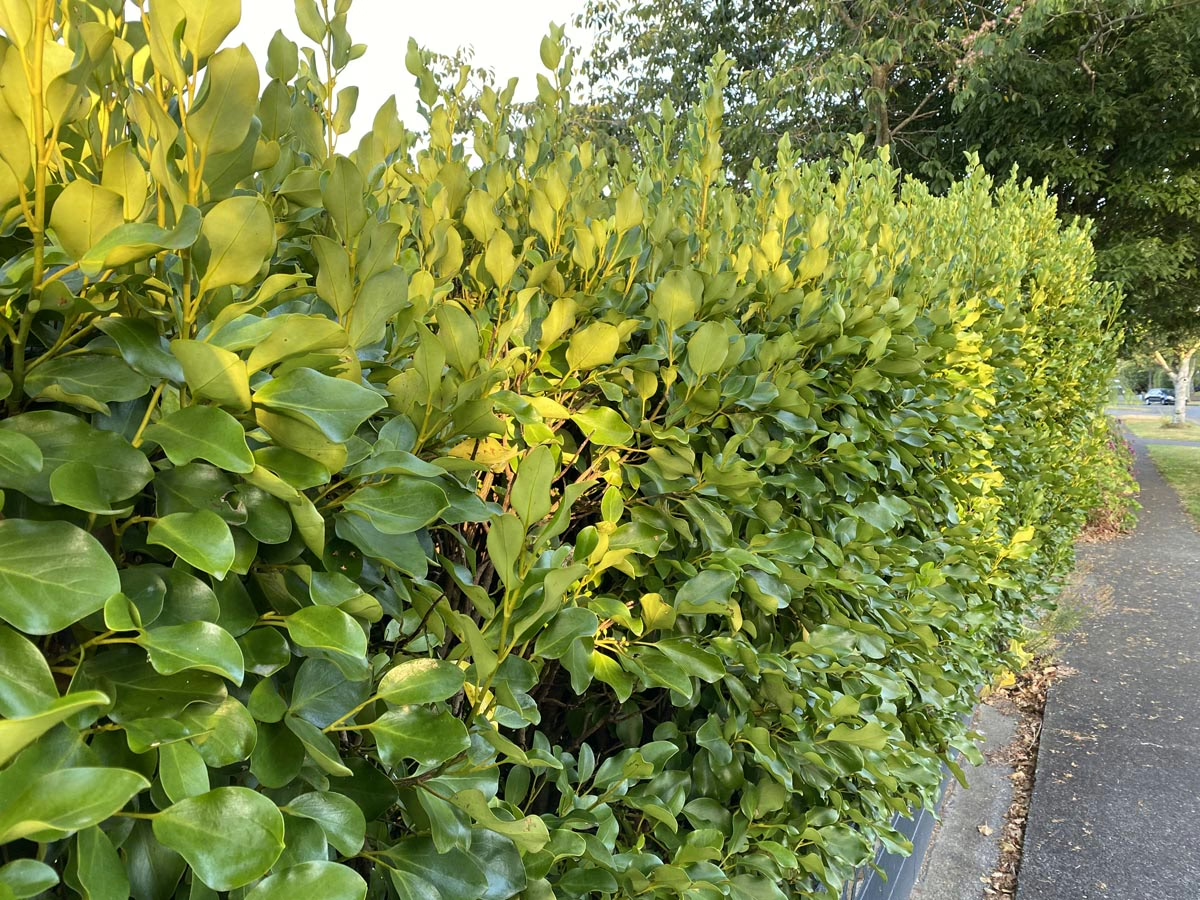
Griselinia Hedges
Griselinia is a New Zealand garden classic for a reason.
Its dense growth and glossy evergreen leaves make it one of the go-to choices for hedges, screening and shelter. It also has a naturally tidy appearance, so you can let it grow into a substantial screen or keep it clipped and structured.
Features: Dense evergreen hedging, boundary screening, and windbreaks.
Growth Habit: Bushy and upright; responds exceptionally well to structural clipping.
Mature Height: 3–5 metres (easily maintained at 1.5–2 metres as a hedge).
Soil & Drainage: Needs well-draining soil. Avoid planting in heavy, wet clay to prevent root rot.
Climate: Handles coastal spray and wind well; tolerates light to moderate frosts.
Best for: Privacy, hedges, shelter and evergreen structure.
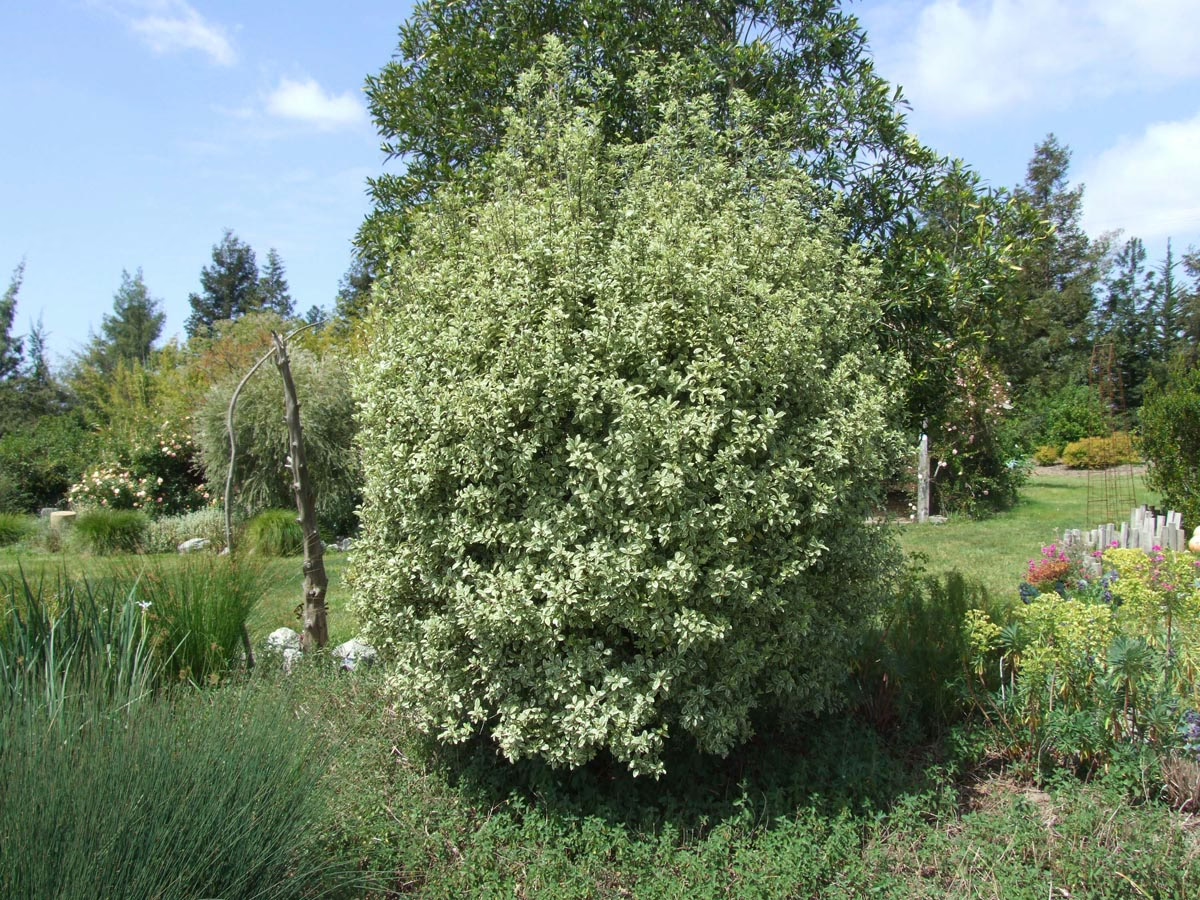
Pittosporum Trees & Hedges
Pittosporums are incredibly versatile natives, with different forms and colours suited to everything from screening and shelter to specimen planting.
They can put on good growth when they’re happy, making them useful when you’re trying to create some privacy without waiting forever.
Features: Fast-growing privacy screen, shelterbelt, or structured background planting.
Growth Habit: Generally upright, dense, and columnar to rounded.
Mature Height: 4–8 metres, depending on the specific variety.
Soil & Drainage: Requires good drainage; very susceptible to root rot in boggy, waterlogged ground.
Climate: Prefers full sun to partial shade. Mostly hardy, but benefits from shelter on highly exposed sites during early establishment.
Best for: Screening, shelter and fast garden structure.
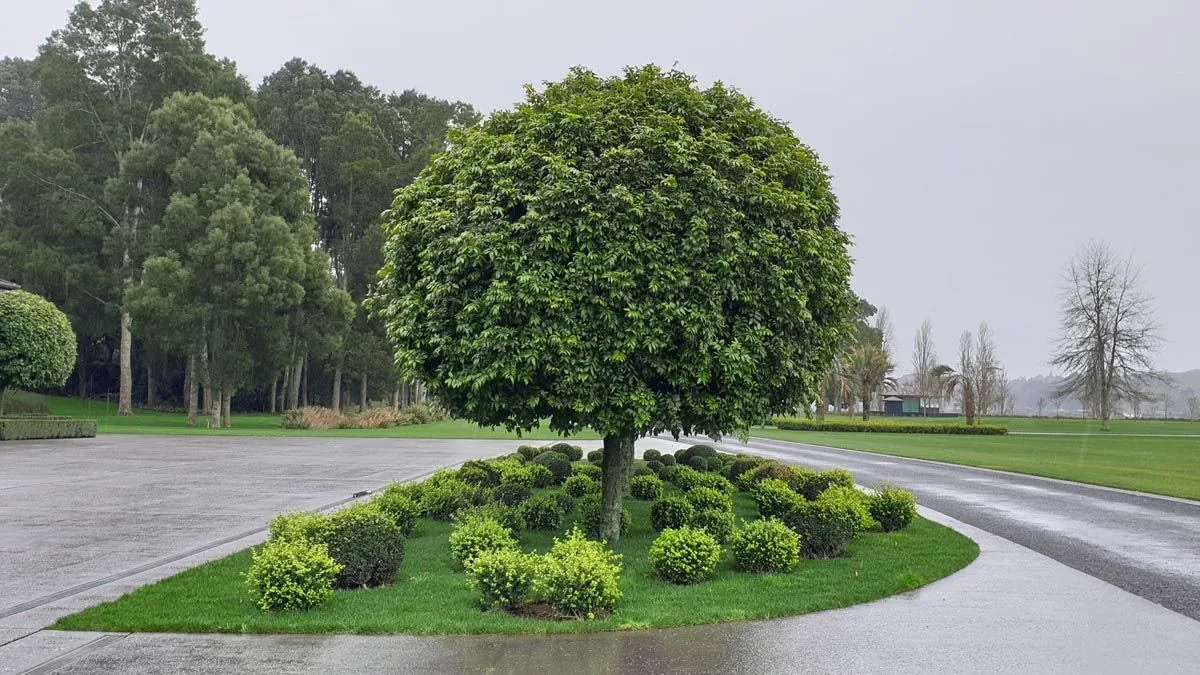
Tītoki Tree
Tītoki is a lovely choice when you want screening that feels a little more natural and less like a traditional hedge.
Its glossy evergreen foliage gives you year-round structure, while its attractive form makes it worthwhile as a feature even when you aren’t trying to hide anything.
Features: Naturalistic evergreen screen, specimen tree, or light canopy shade.
Growth Habit: Spreading, rounded canopy with a stout, attractive trunk.
Mature Height: 4–8 metres.
Soil & Drainage: Prefers fertile, well-draining soil; struggles in heavy clay.
Climate: Requires a sheltered position. It is frost-tender when young but becomes hardier with age.
Best for: Evergreen screening, shelter and specimen planting.
Native Trees for Coastal Gardens
Gardening beside the coast can be beautiful — but the plants don’t always agree.
Salt-laden wind, exposed conditions and sandy or free-draining soils can make life difficult for trees that aren’t suited to the environment.
These natives are much more at home in those conditions.
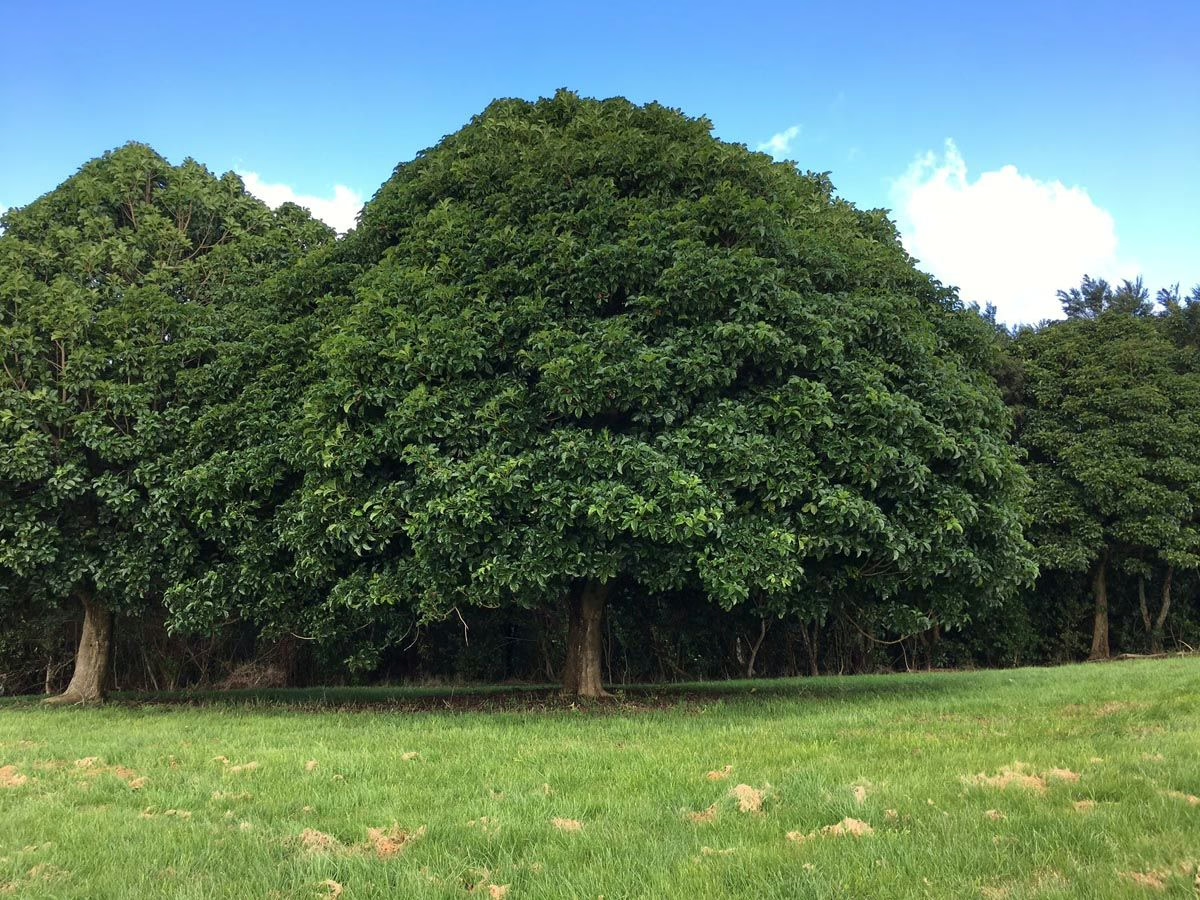
Pūriri Tree
Pūriri is a beautiful evergreen native with plenty of character. It can become a substantial tree over time, making it a great option when you have the space for something more permanent.
It’s also valuable for wildlife, with flowers and fruit that contribute to the food available for native birds.
Features: Large shade tree, wildlife habitat, and coastal garden feature.
Growth Habit: Broad, spreading canopy that develops a massive trunk over time.
Mature Height: 15–20 metres.
Soil & Drainage: Prefers fertile, deep soils with consistent moisture but reasonable drainage.
Climate: Thrives in warmer coastal climates; frost-sensitive, especially in its early years.
Best for: Larger coastal gardens, wildlife and evergreen structure.
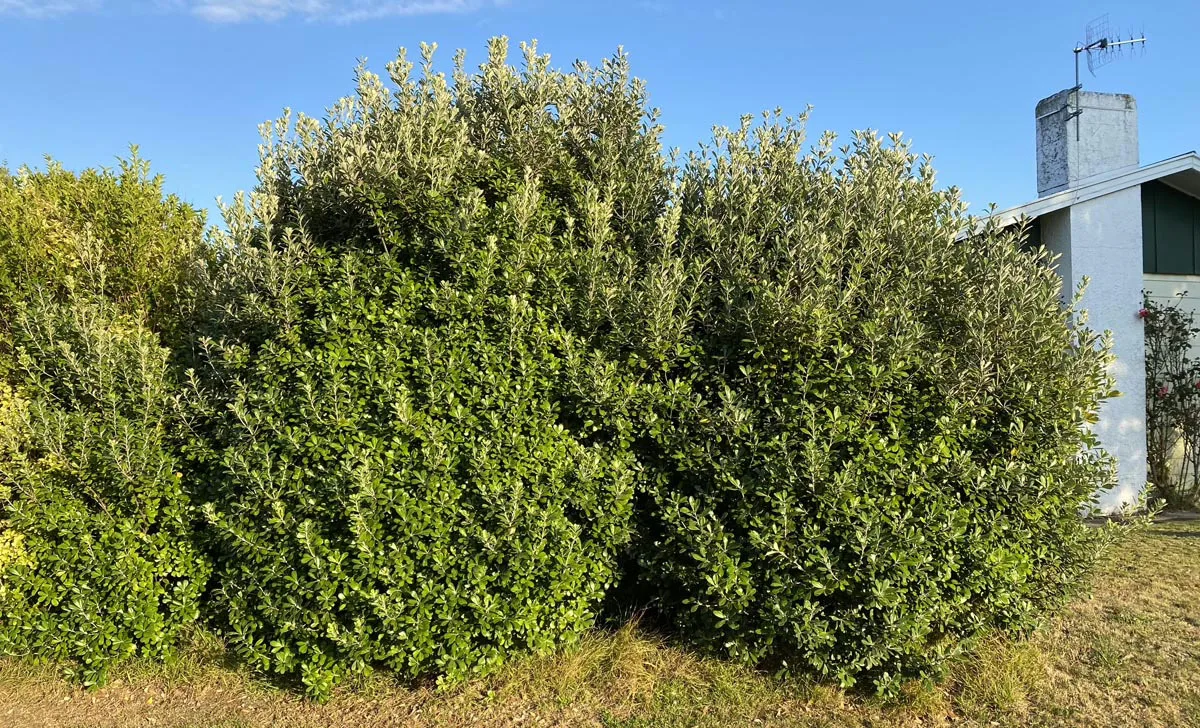
Pittosporum crassifolium
Commonly known as Karo, this is a true coastal specialist.
It naturally occurs around New Zealand’s coastline and has thick, leathery foliage that helps it cope with exposed conditions. Its dense growth also makes it useful for shelter and screening.
Features: Front-line coastal shelter, robust hedging, and coastal windbreaks.
Growth Habit: Dense, bushy, and upright with thick, leathery leaves.
Mature Height: 3–5 metres.
Soil & Drainage: Thrives in sandy, dry, or poor soils; excellent drainage is key.
Climate: Extremely tough; highly tolerant of salt spray and gale-force winds.
Best for: Coastal gardens, shelter and exposed sites.
Shop Pittosporum crassifolium →
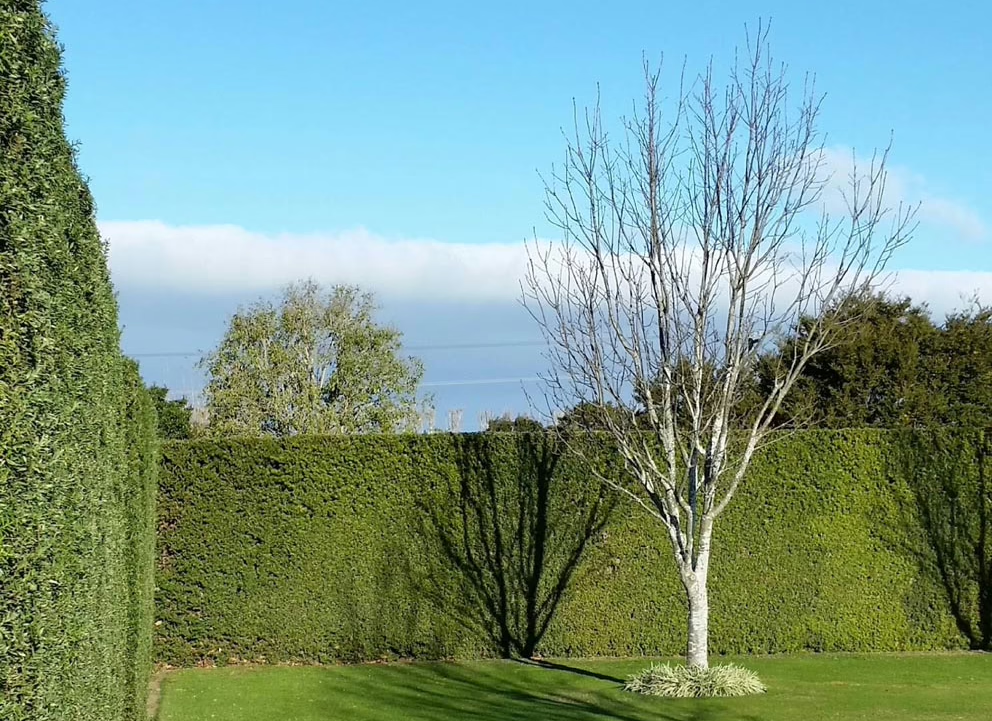
Tōtara Tree
If you’ve got room, Tōtara is one of those trees that can completely change the character of a property.
It’s long-lived, tough and unmistakably New Zealand, making it an excellent choice for larger gardens, lifestyle blocks and landscape projects. They are even used for cloud-pruning, making unique shapes for architectural gardens.
Features: Large specimen tree, formal cloud pruning, or long-term hedging.
Growth Habit: Upright and pyramidal when young, developing a massive trunk and rounded crown with age.
Mature Height: 15–30 metres (though it can be kept much smaller with clipping).
Soil & Drainage: Highly adaptable; tolerates both dry conditions and heavier soils once established.
Climate: Unmistakably tough; extremely hardy to cold, frost, and wind.
Best for: Large gardens, lifestyle properties and long-term landscape planting.
Choosing the right Native Tree
Before you choose your tree, have a quick look at the site you’re planting into.
How much space do you have?
Think about the mature size, not the size of the plant sitting in its pot. That little tree has a lot of growing up to do.
How much sun does the site get?
Most flowering natives will perform best with plenty of sunlight, while some screening trees are happy with a little more shade.
Is the site windy or coastal?
If you’re dealing with strong winds or salt exposure, choose a species that is naturally suited to those conditions rather than trying to convince a delicate tree that it really should be tougher.
What is your soil like?
Check whether the site is dry, damp, heavy or free draining. Good drainage is particularly important for many native trees, while others are more tolerant of heavier or wetter conditions.
Is frost an issue?
Don’t just think about how cold your area gets. Frost pockets can occur in surprisingly localised spots. A sheltered position can make a big difference, particularly while young trees are establishing.
Not sure what will suit your site? Contact the Leafland Team →
Ready to plant?
Whether you’re creating privacy, adding some spring colour or planting into an exposed coastal garden, there is a New Zealand native to suit the job.
The best place to start is with your site and what you want the tree to do. Once you know that, choosing the right plant becomes much easier.
At Leafland Nursery, we grow a wide range of New Zealand native plants for home gardens, landscapers, councils and larger planting projects.
Plant availability varies throughout the year. Please check our current stocklist or contact the Leafland team for current availability.
Frequently Asked Questions
What is the fastest growing native tree in New Zealand?
Mānuka, Kānuka and some Pittosporums can grow relatively quickly in the right conditions. Growth rate does depend on the species, climate, soil and care.
When is the best time to plant native trees in New Zealand?
Autumn and winter are generally excellent times to plant, when the soil is cooler and naturally moist. This gives trees time to establish before the warmer, drier months arrive.
How do I plant a native tree?
Good planting makes a big difference to how a tree establishes. For a simple step-by-step guide covering planting depth, watering, mulching and staking, see our Tree Planting Guide →.
i