We are hiring! Job openings are on our Careers page.

Apple 'Cox's Orange Pippin'

Apple

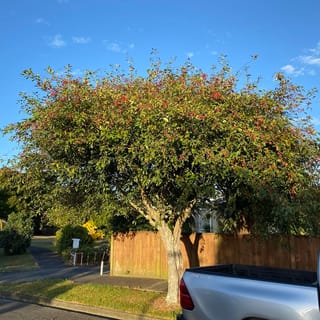
Height
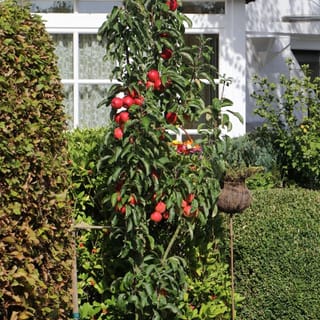
4m
Width
3m
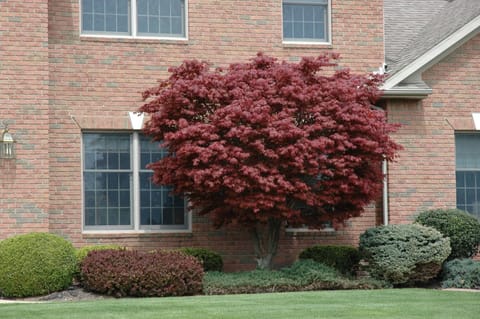
Tree shape

Estimated size at 10 years

Email me when it's back

Apple 'Cox's Orange Pippin' can't be ordered right now. Leave your email and we'll send a message when Apple 'Cox's Orange Pippin' is available again.

Notify me

Stock Info

Standard height
The height of the clear trunk before the graft and branching begins.
Low worked (LW)
Grafted, or allowed to branch, much lower on the trunk.
Clear trunk (CT) vs Bushy
Clear trunk has its branches trimmed up. Bushy is allowed to grow out from lower down.
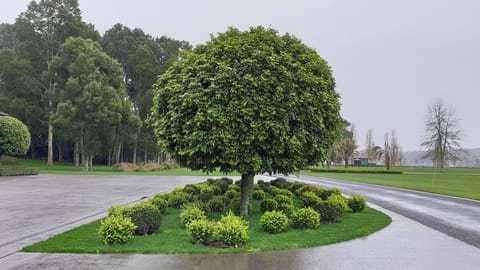
Cloud pruned
Foliage shaped into distinct, rounded “clouds” on carefully spaced branches.

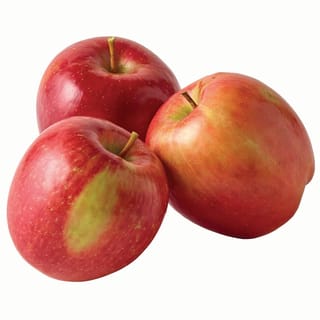
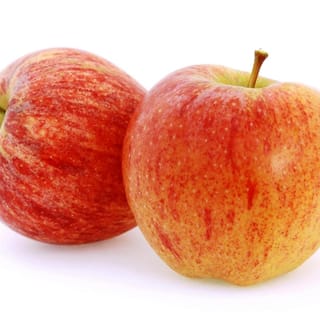
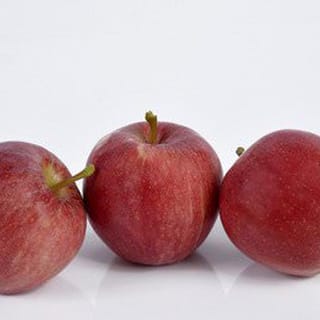
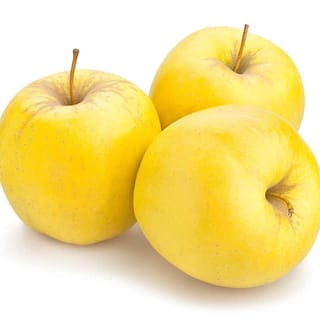
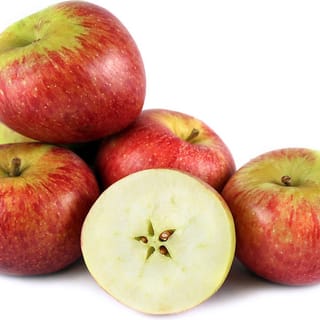
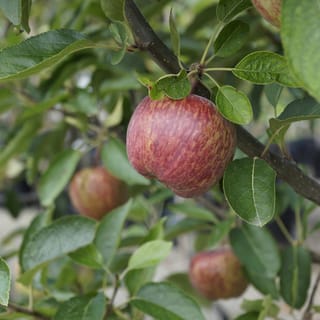
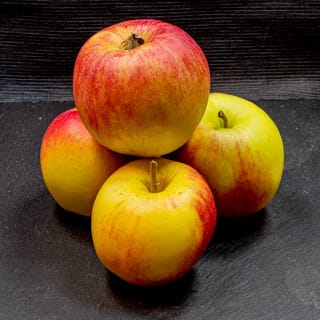
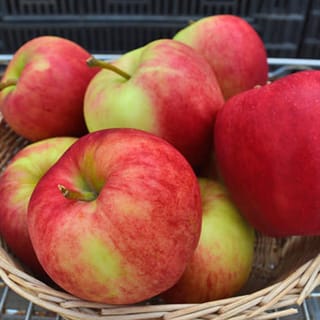
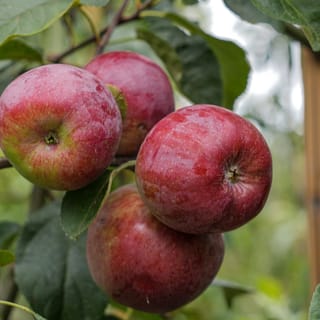
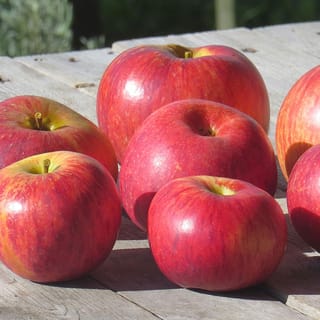
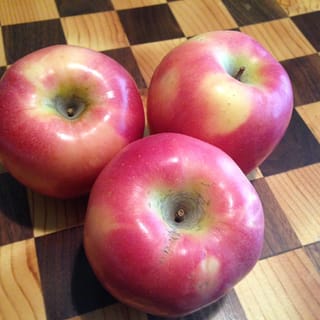
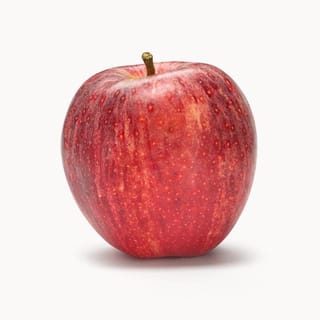
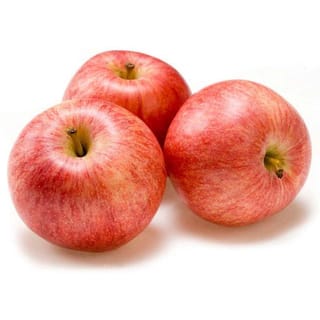
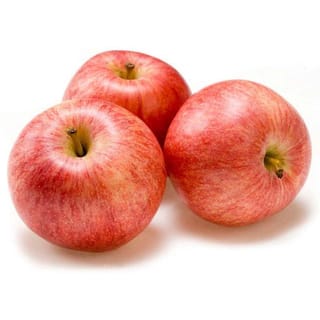
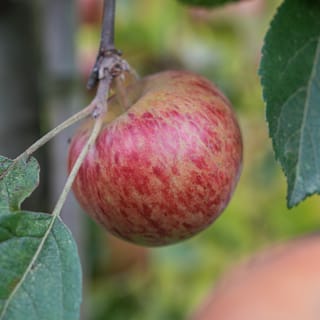
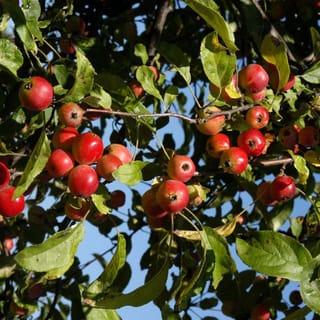
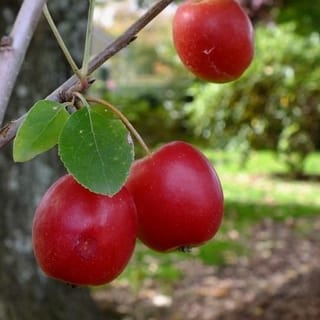
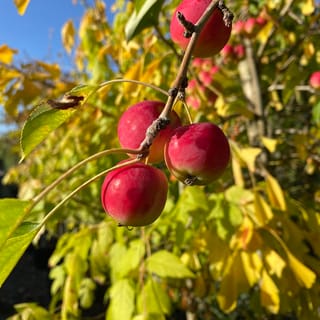
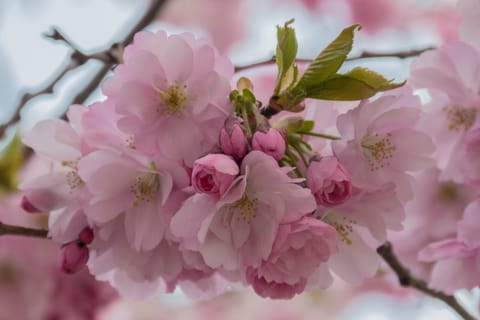
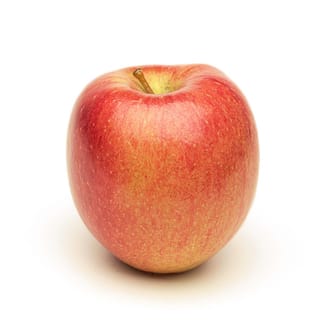
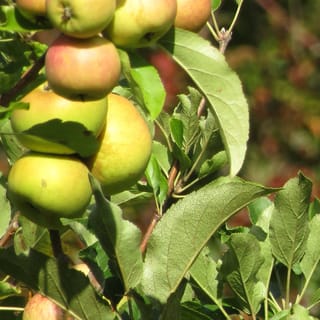
Apple 'Cox's Orange Pippin' produces sweet, orange-red apples with rich and nutty-flavoured flesh that is very aromatic. The apples ripen from mid-summer to early-autumn. Apple 'Cox's Orange Pippin' also produces pink buds that open to white flowers in the spring. It is partially self-fertile, but it is best to plant it with another cultivar that has a similar bloom period, such as Apple 'Gala', Apple 'Golden Delicious', Apple 'Initial', Apple 'Royal Gala', Apple 'Freyberg', Apple 'Monty's Surprise', and Apple 'Granny Smith'. Apple is deciduous and native to Afghanistan, Kazakhstan, Kyrgyzstan, Pakistan, Tajikistan, Uzbekistan, and China. Apple 'Cox's Orange Pippin' was first grown in 1825 by Richard Cox in Colnbrook, England and was introduced for sale by the 1850s by Charles Turner.

Pollination: Needs a pollinator — plant within around 50 m of a compatible variety flowering at the same time, such as Baujade, Divine, Fuji, Initial, Lady in Red, Monty's Surprise, Peasgood Nonsuch, Pacific Rose, Royal Gala, Thumbelina Candy Crunch, Blush Babe, Granny Smith.

Also known as

Malus domestica 'Cox's Orange Pippin'

Uses

  • Attracts Bees
  • Edible

Origin

  • Exotic

City Recommendations

  • Auckland
  • Hamilton
  • Wellington
  • Dunedin
  • Taupō

More about Apple 'Cox's Orange Pippin'

Plant Details

Foliage Type
  • Deciduous
Position
  • Full sun
Soil Moisture
  • Well-drained

Seasonal Colour

FlowerSep–Nov

Foliage

FruitDec–May

This is a general guide. When a plant flowers, fruits and colours up depends on the climate where you live and on the season. If timing matters, please reach out to our team.
Foliage Type

Evergreen plants retain foliage year-round but still shed and replace some leaves gradually as part of their normal growth cycle, rather than losing them all at once.

Deciduous plants shed all their leaves for part of the year (usually in autumn and winter), usually in response to colder temperatures or dry seasons, often producing seasonal colour before leaf drop.

Semi-evergreen plants sit between the two, keeping most of their foliage but losing some or all leaves briefly under cooler or drier conditions before quickly regrowing them.