We are hiring! Job openings are on our Careers page.

Feijoa sellowiana 'Takaka'

Feijoa

Height
4m
Width
3m
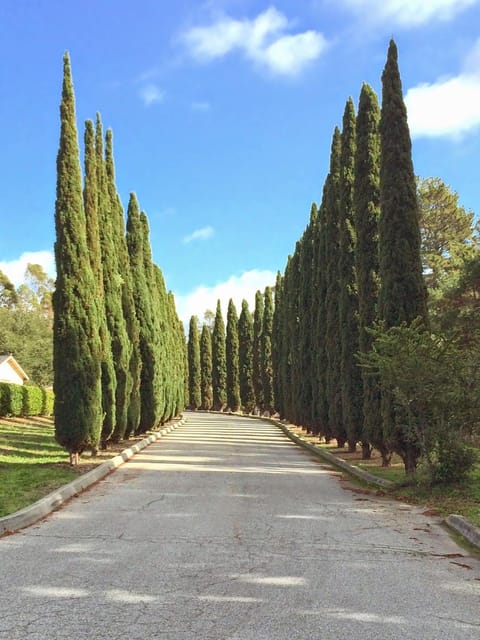
Tree shape

Estimated size at 10 years

Choose a grade

Stock Info

All prices exclude GST. No payment is taken now.

Select a grade25L$116.001.2-1.6m67 in production35L$176.001.2-1.4m229 available now45L$228.001.3m60 in production

Selected option

No grade chosen yet

Choose a grade above to see its height and price.

Selected option

25L

$116.00each, excl. GST

Height 1.2-1.6m

67 in production

Ready approx. Apr 2027

Not ready to order yet.

Selected option

35L

$176.00each, excl. GST

Height 1.2-1.4m

229 available now

31 more ready approx. Apr 2027

Selected option

45L

$228.00each, excl. GST

Height 1.3m

60 in production

Ready approx. Jan 2027

Not ready to order yet.

Wholesale pricing

Sign in to see your wholesale prices on every grade. New to Leafland? Apply for a wholesale account.

Stock Info

Standard height
The height of the clear trunk before the graft and branching begins.
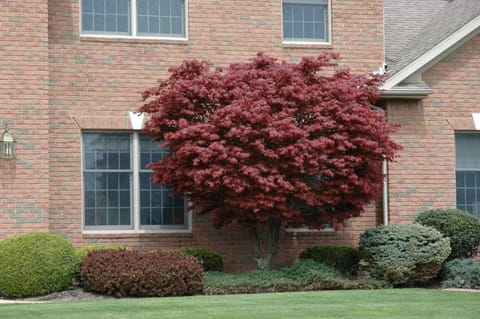
Low worked (LW)
Grafted, or allowed to branch, much lower on the trunk.
Clear trunk (CT) vs Bushy
Clear trunk has its branches trimmed up. Bushy is allowed to grow out from lower down.
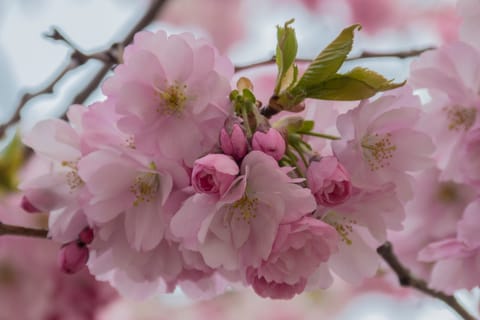
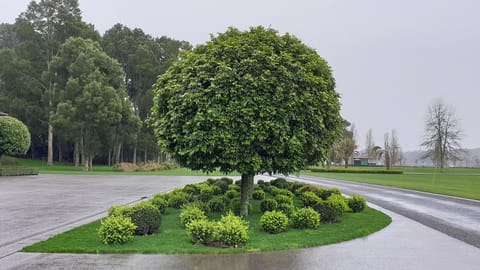
Cloud pruned
Foliage shaped into distinct, rounded “clouds” on carefully spaced branches.

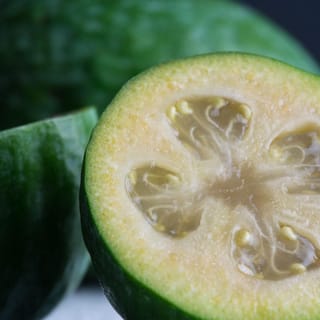
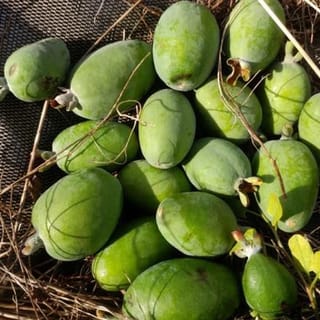
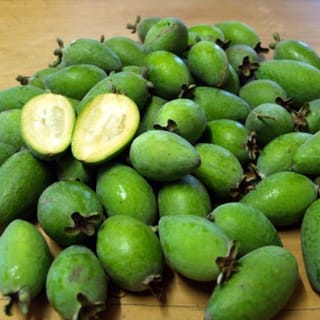
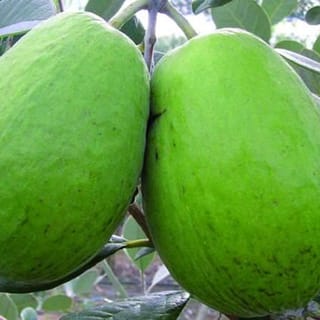
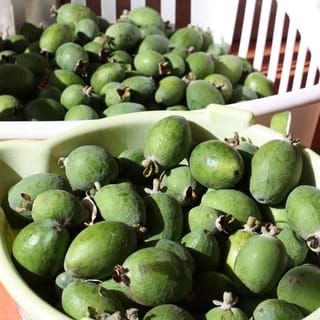
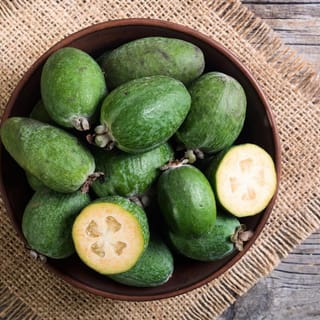
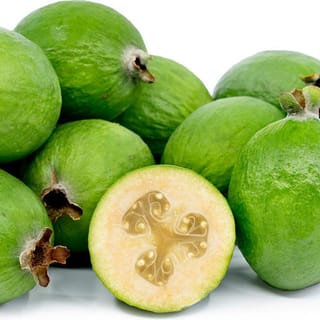
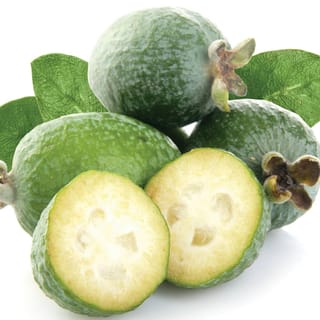
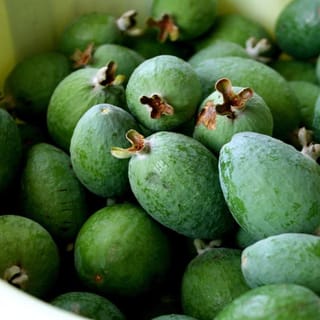
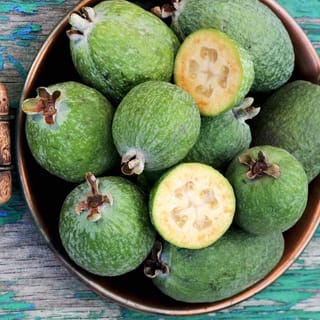
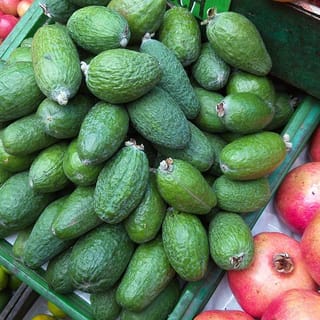
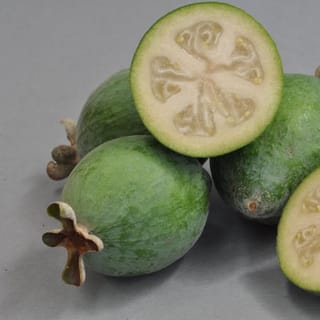
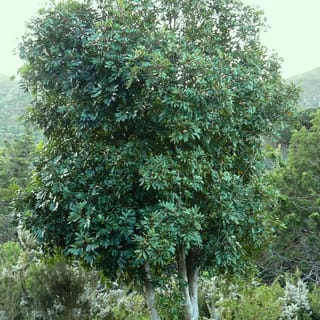
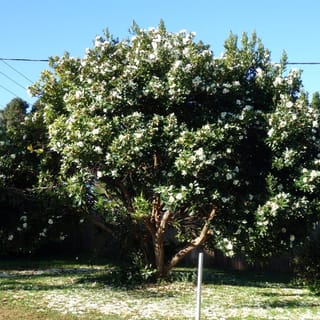
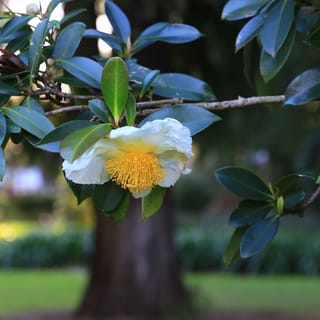
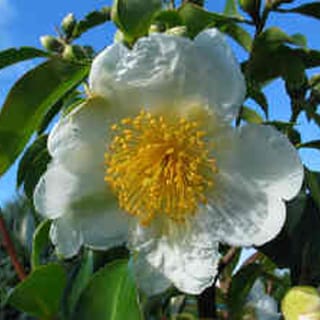
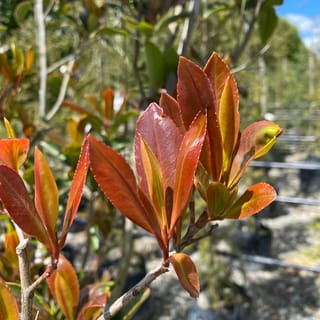
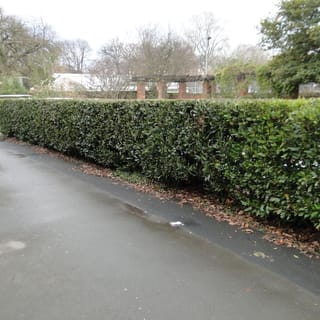
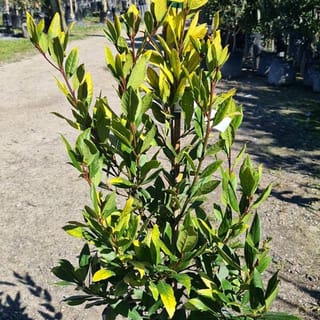
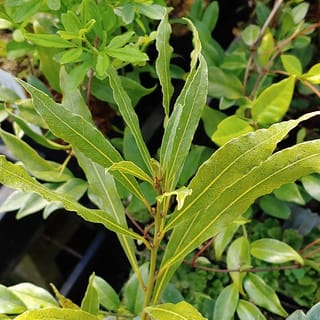
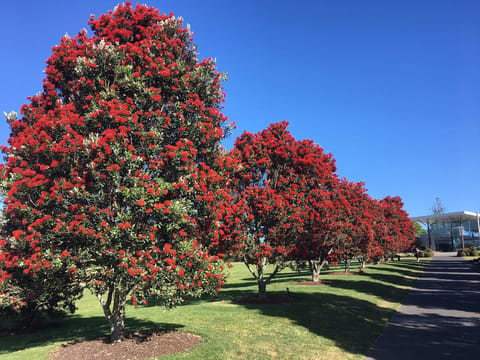
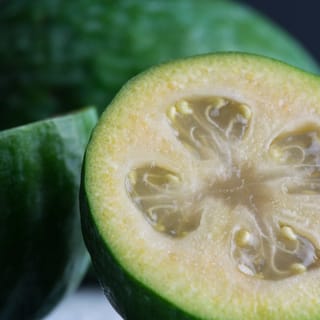
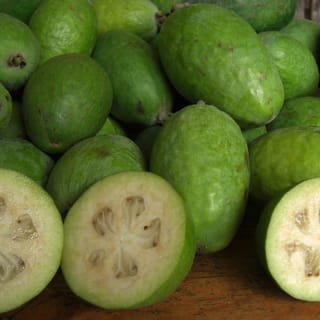
The fruit of Feijoa sellowiana 'Takaka', which ripen in early autumn, have a delicious tropical flavor and are quite sizable. It is particularly well-suited for cultivation in colder regions with marginal growing conditions, as it is a hardy and vigorous grower. Additionally, it produces beautiful red flowers from late spring to midsummer and is well-adapted to coastal and windy environments, making it an excellent choice for hedges and screens. While it is partially self-fertile, it will produce better crops when planted alongside another feijoa cultivar. Feijoa sellowiana is evergreen and native to the highlands of southern Brazil, eastern Paraguay, Uruguay, northern Argentina, and Colombia. Feijoa sellowiana 'Takaka' was developed by Roy Hart in Motueka, New Zealand (PVR 31025).

Also known as

Pineapple Guava·Acca sellowiana 'Takaka'·Orthostemon sellowianus 'Takaka'

Uses

  • Attracts Bees
  • Edible
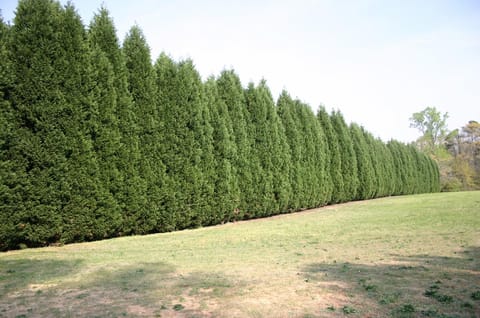
  • Hedging and Screening

Origin

  • Exotic

City Recommendations

  • Auckland
  • Hamilton
  • Gisborne
  • Hastings
  • Napier
  • Nelson
  • New Plymouth
  • Palmerston North
  • Rotorua
  • Taupō
  • Whanganui

More about Feijoa sellowiana 'Takaka'

Plant Details

Foliage Type
  • Evergreen
Position
  • Full sun
Tolerance
  • Coastal
  • Wind
Soil Type
  • Clay

Seasonal Colour

FlowerSep–Feb

Foliage

FruitMar–May

This is a general guide. When a plant flowers, fruits and colours up depends on the climate where you live and on the season. If timing matters, please reach out to our team.
Foliage Type

Evergreen plants retain foliage year-round but still shed and replace some leaves gradually as part of their normal growth cycle, rather than losing them all at once.

Deciduous plants shed all their leaves for part of the year (usually in autumn and winter), usually in response to colder temperatures or dry seasons, often producing seasonal colour before leaf drop.

Semi-evergreen plants sit between the two, keeping most of their foliage but losing some or all leaves briefly under cooler or drier conditions before quickly regrowing them.

Soil Type

Chalky soil is alkaline and often contains visible pieces of chalk or limestone. It drains very quickly and can be low in nutrients, making it difficult for many plants to grow unless organic matter is added. Some plants, however, thrive in its free-draining, lime-rich conditions.

Rocky soil contains a high proportion of stones and gravel. It usually drains well but holds very little water or nutrients. Plant roots may struggle to establish, though hardy, drought-tolerant plants can adapt to it.

Sandy soil has large particles that feel gritty to the touch. It drains quickly and warms up fast in spring, but it does not retain moisture or nutrients well. Regular watering and the addition of compost can improve its fertility.

Loamy soil is a balanced mix of sand, silt, and clay. It holds moisture and nutrients well while still allowing excess water to drain, making it ideal for most plants. Loam is generally considered the best all-round soil for gardening and agriculture.

Clay soil is made up of very fine particles and feels smooth or sticky when wet. It retains water and nutrients well but drains poorly and can become compacted. With proper management, such as adding organic matter, clay soil can be very fertile.