
If you’ve noticed your lemon, lime, mandarin, or orange tree looking a little yellow through autumn and winter, you’re certainly not alone.
Citrus leaves turning yellow are one of the most common concerns we hear about during the colder months, especially on lemon trees growing in New Zealand gardens. The good news is that in many cases, it’s simply part of the tree’s natural response to cooler temperatures and slower growth.
Before reaching for fertiliser or worrying that your tree is dying, it’s worth understanding what’s happening below the surface.
The short answer:
Citrus leaves often turn yellow during autumn and winter because cooler soil temperatures, reduced sunlight, slower growth, and excess moisture make it harder for the tree to absorb nutrients efficiently. In most cases, mild yellowing is a normal seasonal response and improves once warmer spring weather returns.
If your lemon trees, lime trees, mandarin trees, or orange trees are otherwise healthy, there’s usually no need to panic. Understanding what’s causing the yellowing can help you decide whether your tree simply needs time – or whether it needs a little extra attention.
So, Is Something Wrong With Your Citrus Tree?
What to Look For
Winter yellowing can appear in several ways depending on the tree and growing conditions.
You may notice:
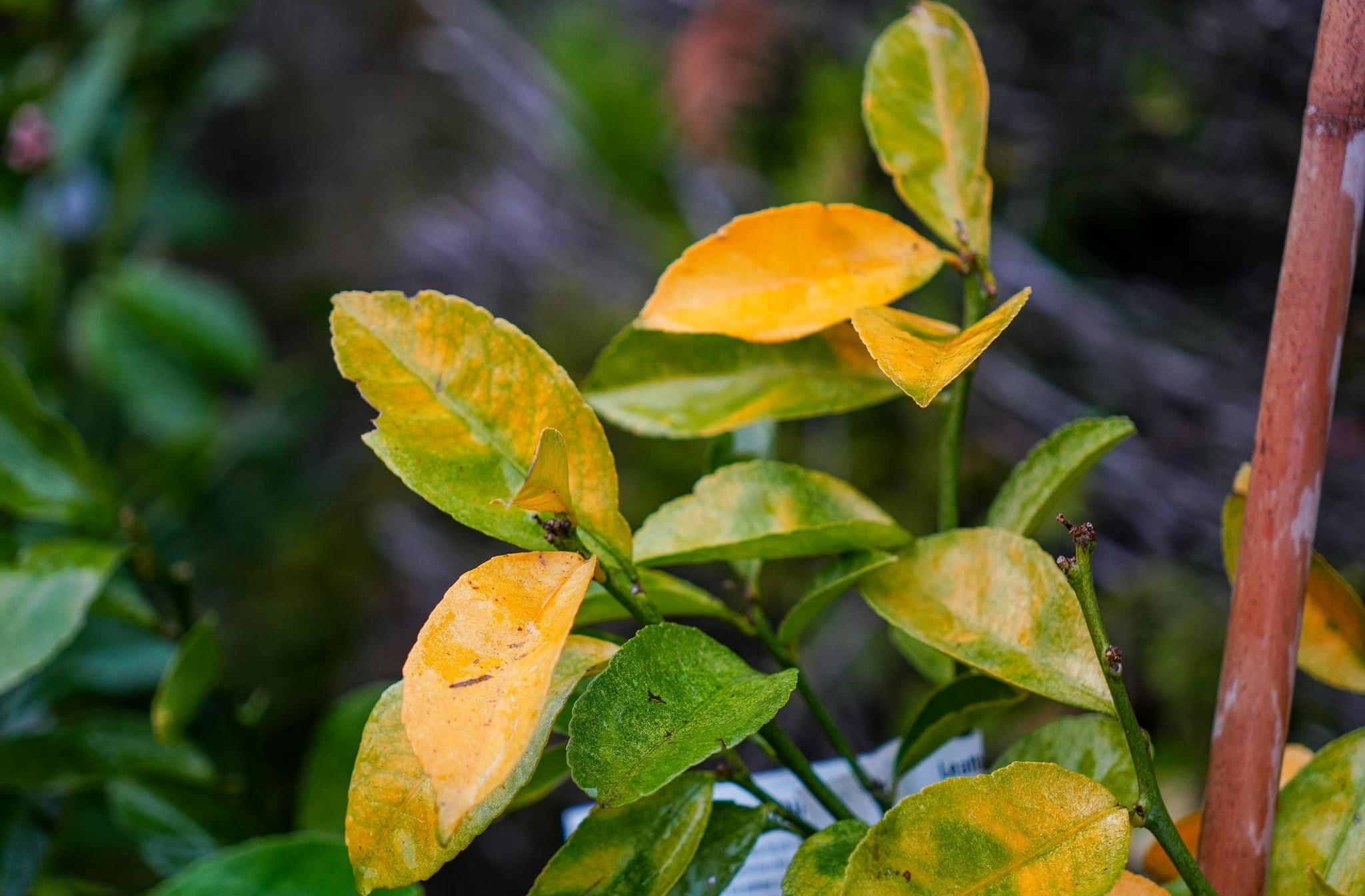
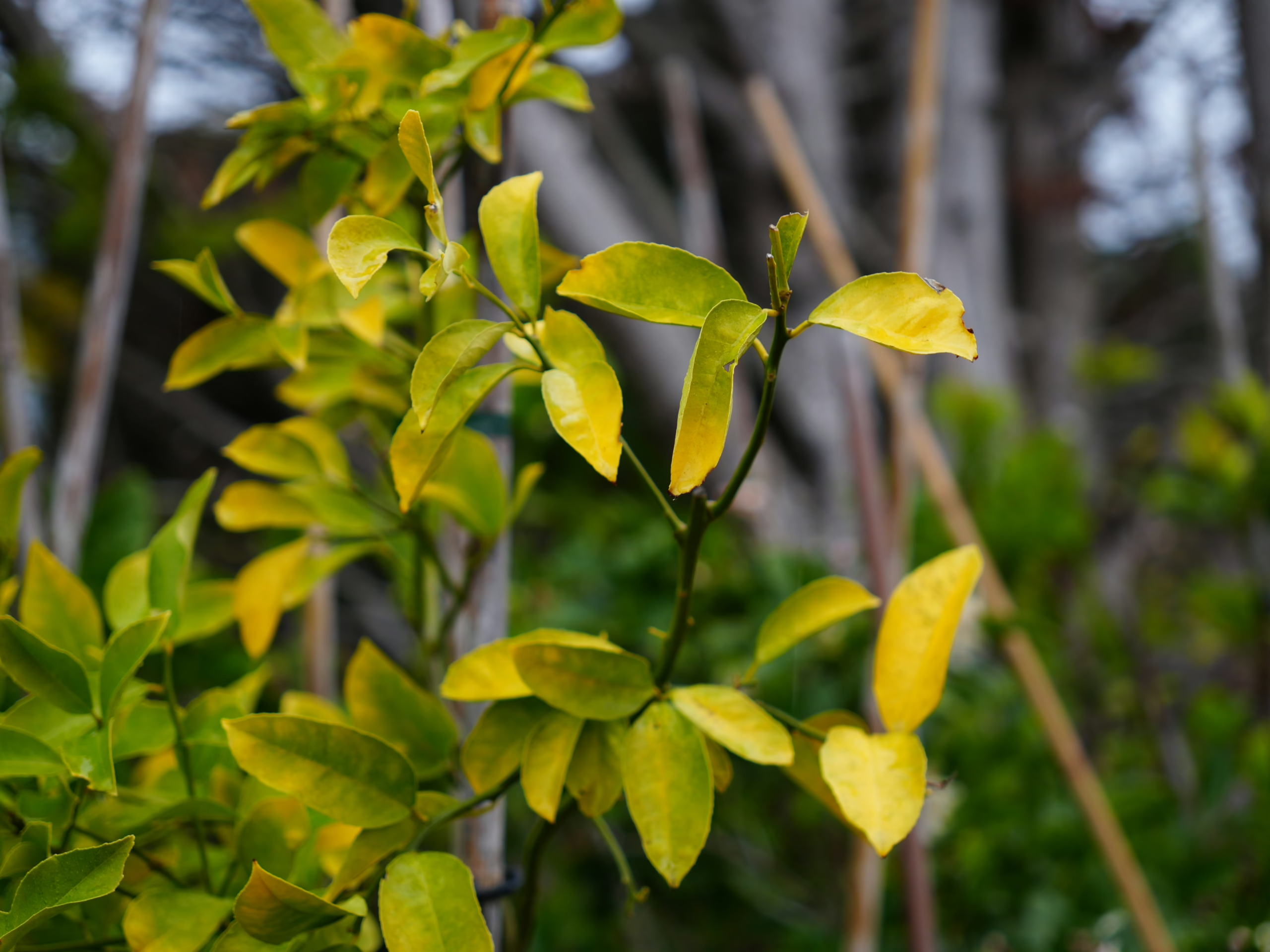
- Older leaves gradually turning pale green or yellow (often older leaves first)
- Yellowing between the veins while the veins themselves remain green
- Overall looking dull or the foliage tired
- Slower or virtually no new growth in autumn/winter
- A small amount of leaf drop
In many cases, the tree is otherwise healthy and simply responding to seasonal conditions.
Why Does It Happen?
1. Citrus Trees Slow Down in Winter
Just like many plants, citrus trees become less active as temperatures cool.
Growth slows significantly during late autumn and winter, which means roots absorb nutrients much more slowly than they do during spring and summer.
The result?
Leaves can lose some of their rich green colour and appear pale or yellow, even when nutrients are present in the soil.
2. Cold Soil Slows Root Function
Citrus roots prefer warm soil conditions.
As soil temperatures drop during New Zealand winters, roots become less efficient at taking up water and nutrients. This can temporarily create symptoms that resemble nutrient deficiencies, even when the soil contains adequate nutrition.
This is particularly common in:
- Container-grown citrus
- Trees planted in exposed positions
- Areas that remain cold and wet for extended periods
3. Heavy Fruiting Can Also Cause Yellow Leaves
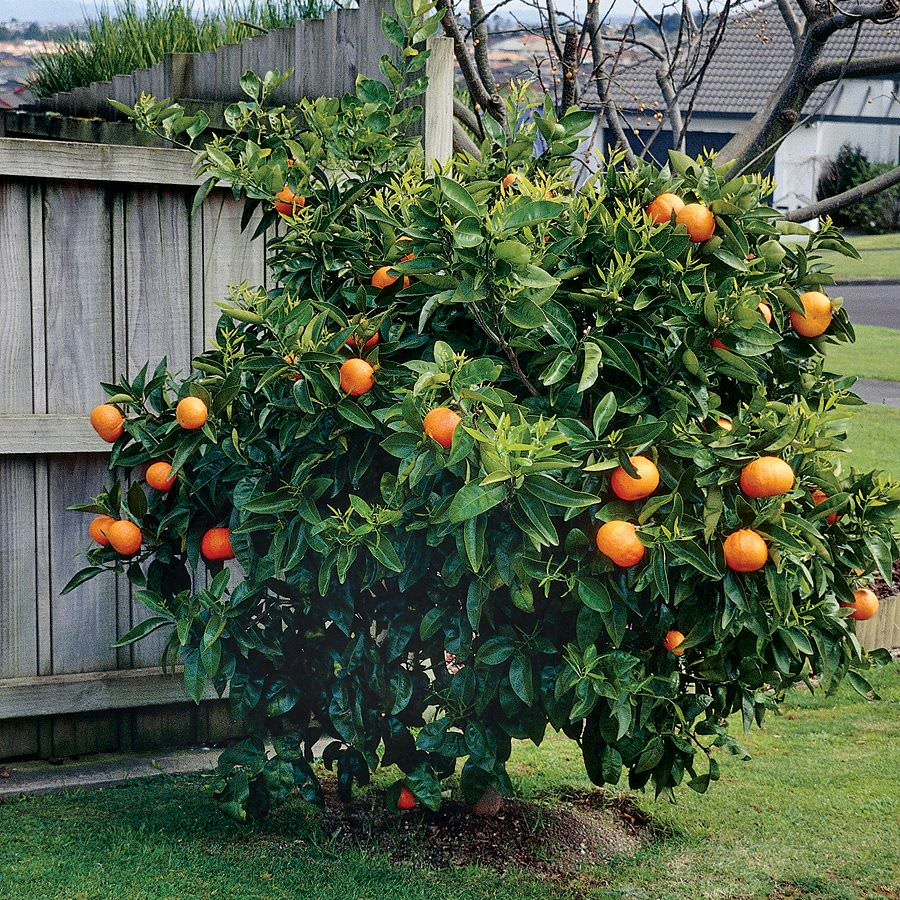
If your citrus tree is carrying a large crop of fruit, some yellowing leaves may simply be a sign that the tree is working hard to support fruit development.
Producing fruit requires a significant amount of energy and nutrients. During winter, when growth naturally slows, citrus trees can struggle to supply both the developing fruit and the foliage with everything they need. As a result, older leaves may begin to yellow and drop as the tree redirects resources to the fruit.
This is particularly common on heavily laden lemon, mandarin, and orange trees. If the tree otherwise appears healthy and the yellowing is limited to older leaves, heavy fruiting may be contributing to the problem.
4. Less Sunlight Means Less Energy
During New Zealand winters, days are shorter and the sun sits lower in the sky.
With reduced sunlight, citrus trees produce less energy through photosynthesis. This often results in foliage that appears less vibrant and can contribute to general yellowing.
Trees growing in shaded areas may show these symptoms more noticeably than those receiving full sun.
5. Nutrients Become Less Available
Nutrients such as nitrogen and magnesium play a major role in maintaining healthy green foliage.
During winter, cooler soil conditions can make these nutrients harder for roots to access, even when they’re present in the soil.
This often shows up as:
- General yellowing of older leaves (commonly linked with nitrogen)
- Yellowing between veins while veins remain green (often associated with magnesium)
It’s important to remember that winter symptoms don’t automatically mean your tree needs immediate feeding.
For more citrus care advice, explore our growing guides and plant advice resources.
Could It Be a Nutrient Deficiency?
Sometimes yellow citrus leaves can be linked to nutrient deficiencies, although winter conditions often create similar symptoms.
Nitrogen deficiency usually causes older leaves to turn pale green or yellow first, while magnesium deficiency often appears as yellowing between the veins while the veins remain green.
Before reaching for fertiliser, remember that cold winter soil can temporarily reduce nutrient uptake, making healthy citrus trees show symptoms that resemble nutrient deficiencies.
6. Overwatering Can Make Things Worse
One of the most common winter citrus problems is actually too much water.
Because trees use less moisture during winter, soil often stays wet for longer in many New Zealand gardens. Constantly wet soil can reduce oxygen around the roots, making it harder for them to function properly.
Signs of excessive moisture may include:
- Yellowing leaves
- Leaf drop
- Poor vigour
- Slow recovery after rain
This is particularly common with potted citrus where drainage isn’t ideal.
What Should You Do?
Don’t Panic
A small amount of yellowing during winter is often completely normal.
If the tree is otherwise healthy and the yellowing has developed gradually, there’s usually no need for drastic action.
Avoid Heavy Feeding
While it may be tempting to apply lots of fertiliser, winter is generally not the time for heavy feeding.
The tree’s growth has slowed, and excess fertiliser may not be utilised efficiently.
Instead, wait until spring when warmer temperatures encourage active growth and nutrient uptake.
Ease Off Watering
Check soil moisture before watering.
Like many plants in New Zealand gardens, citrus trees require significantly less water during winter than they do through summer.
For container-grown trees, ensure excess water can drain freely from the pot.
Check Drainage
Good drainage becomes especially important during the wetter months.
If water sits around the roots for extended periods, improving drainage may help more than adding fertiliser.
Maximise Sunlight
If possible, ensure your citrus receives as much sunlight as possible throughout winter.
Citrus thrive in warm, sunny locations and generally perform best with full sun.
Wait Before Making Major Changes
Many winter yellowing issues improve naturally as temperatures rise.
Often the best approach is simply monitoring the tree and allowing it to move into spring growth before making significant adjustments.
When Should You Act?
Usually as Normal
Mild yellowing that develops gradually through autumn and winter is often a normal seasonal response.
If the tree remains healthy overall and new growth appears once temperatures warm, there’s usually little cause for concern.
Worth Investigating
It’s a good idea to take a closer look if you notice:
- Rapid or severe yellowing
- Significant leaf drop
- Branch dieback
- Constantly wet soil
- No improvement once spring arrives
These symptoms may indicate issues such as drainage problems, root stress, nutrient deficiencies, or other growing conditions that need attention.
If you’re unsure what’s causing the problem, feel free to get in touch with our team at sales@leafland.co.nz. We’re always happy to help point you in the right direction.
If you would like more specifics on FAQs like:
- Why are my lemon tree leaves turning yellow?
- Will yellow citrus leaves turn green again?
- Should I fertilise citrus in winter?
- Can overwatering cause yellow citrus leaves?
Citrus Trees Usually Bounce Back
Citrus leaves turning yellow during winter can be worrying for New Zealand gardeners, but in many cases it’s simply a reflection of cooler temperatures, reduced sunlight, and slower seasonal growth.
With patience, good drainage, sensible watering, and plenty of sunlight, most citrus trees return to strong, healthy growth once spring arrives.
When citrus leaves turn yellow, sometimes the best thing you can do is let nature do its thing and wait for warmer days ahead.
For more advice about your trees, feel free to scroll through: https://leafland.co.nz/plant-advice/
Check out our other blogs for advice about your trees: