
If your tree suddenly looks full of holes in late summer, you’re likely dealing with grass grub beetle damage. This is a common seasonal pest in New Zealand, especially on fruit trees and newly planted trees. The damage can look dramatic — but if you understand the grass grub beetle lifecycle, it’s manageable.
Keep young trees healthy this summer — check out our summer watering tips! →


What is a Grass Grub Beetle?
The grass grub beetle is the adult stage of the grass grub insect.
- The adult beetle flies at night and feeds on tree leaves.
- The larvae (grass grubs) live in the soil and feed on grass roots.
That’s why you’ll often see leaf damage on trees and dying lawn nearby at the same time.
When is Grass Grub Beetle Season in New Zealand?
Grass grub beetles typically emerge in late summer (February–March) and remain active into early autumn (April). Their lifecycle looks like this:
- Adult beetles emerge (Oct-Feb) and feed on tree leaves, mostly at night.
- Eggs are laid in the soil (Mar–Apr), usually in lawn areas or around young trees.
- Eggs hatch into grass grub larvae (Apr–May), which feed on grass roots through autumn and winter.
- Larvae continue feeding in the soil (May–Sep), growing larger as they go.
- They pupate in spring (Sep–Nov) and emerge as adult beetles in spring/summer, starting the cycle again.
If you only treat the leaves and ignore the soil, the cycle continues next year.
Signs of Grass Grub Beetle Damage on Trees


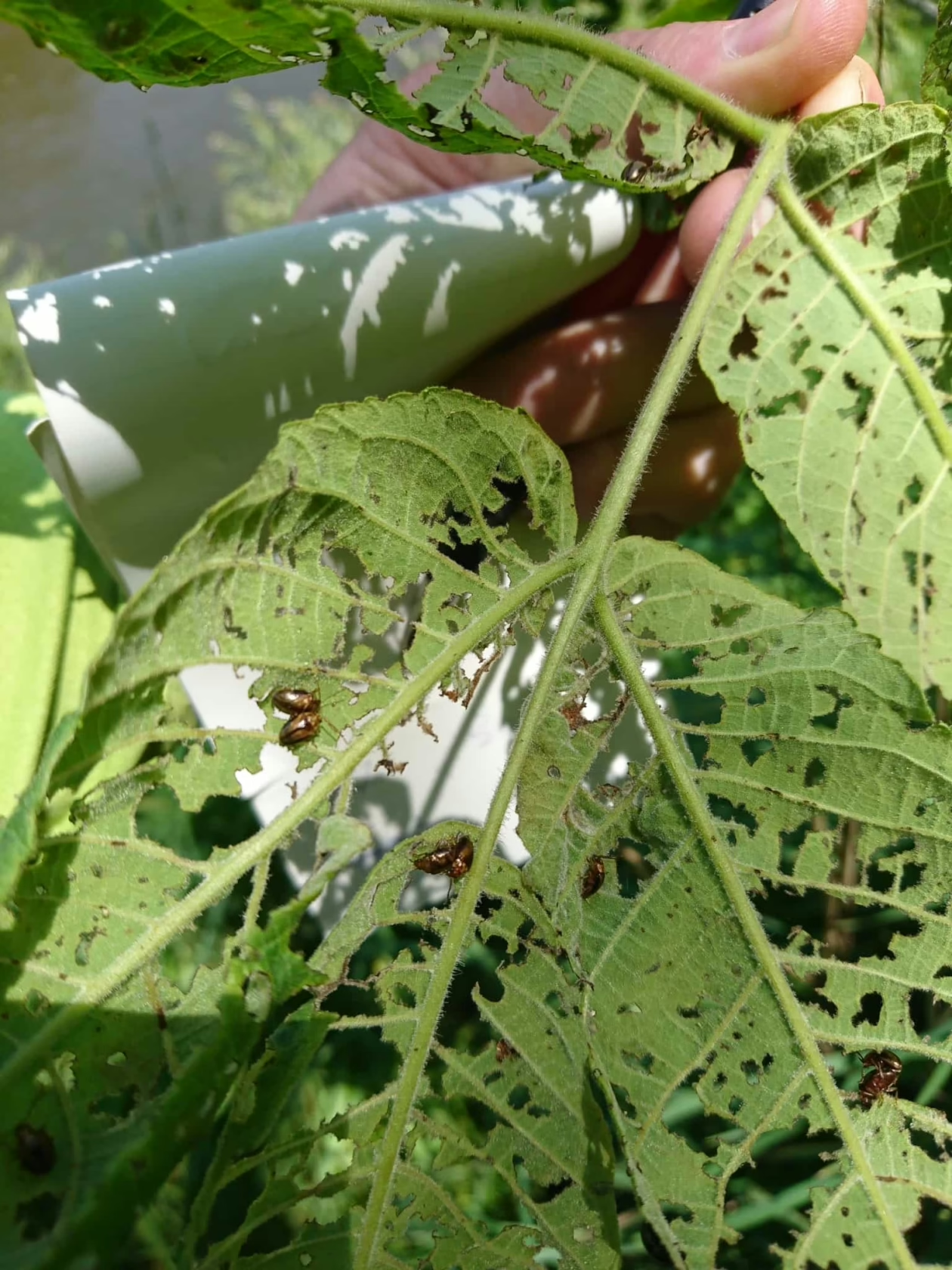

Look for:
- Beetles flying at dusk or around outdoor lights
- Leaves with holes or “skeletonised” sections
- Rapid chewing damage over a short period
- Lawn turning yellow or lifting easily
Fruit trees are especially attractive to grass grub beetles, as well as young trees with soft new growth.
Looking for healthy, ready-to-plant trees? Browse our wide selection at Leafland! →

How to Prevent and Treat Grass Grub Beetle Damage
Managing grass grub beetle damage means targeting both the larvae in the soil and the adult beetles feeding on leaves. Because grass grub larvae live in lawn areas and feed on grass roots, prevention starts at ground level. Applying neem granules to the grass around the base of your tree helps break the lifecycle and reduce future beetle populations, especially when applied before or during late summer.
If you’re already seeing holes in leaves or rapid chewing damage, adult beetles are active and feeding at night. In this case, spraying with pyrethrum provides quick control, while hand-picking or shaking beetles off branches after dark can also be effective for smaller trees. Some gardeners use a rhubarb and tobacco spray as a natural alternative, though results can vary. Young or newly planted trees are more vulnerable, so acting early makes a noticeable difference.

Will Grass Grub Beetles Kill My Tree?
Most grass grub beetle damage looks dramatic, but established trees usually recover without lasting harm. The trees most at risk are newly planted, young fruit trees, or those already stressed from drought or transplanting. Keeping your trees healthy, well-watered, and properly nourished with regular fertilizer while tackling beetles early helps them bounce back quickly. By preventing soil infestations and treating adult beetles promptly, you can protect your trees and reduce the chance of repeated damage year after year.
Need help identifying pests or protecting your trees? → Contact Leafland